





















Keeping your dog healthy and strong doesn’t have to mean complicated workouts or a packed routine. In most cases, it comes down to simple, consistent movement woven into everyday life. A good walk, a game in the yard, or a few minutes of purposeful play can go a long way toward supporting muscle tone, mobility, and overall wellbeing.
That’s part of why April, also known as Canine Fitness Month, is such a helpful reminder to take a closer look at your dog’s daily activity. It’s a chance to refresh your routine and make sure your pup is getting the kind of movement that supports both body and mind.
In this post, we’ll walk through 10 easy exercises that can help your dog stay active, build strength, and feel their best without making fitness feel like a chore. So, get ready to have some fun with your furry friend and keep them fit and happy!

1) Brisk Daily Walks
Walks are one of the simplest and most effective ways to support your dog’s health. They help with weight management, cardiovascular fitness, joint mobility, and mental stimulation, all in one routine that most pet parents are already doing anyway.
The key is to make those walks a little more purposeful. Instead of strolling at the same pace from start to finish, try mixing in a few short bursts of quicker walking. That small change can gently raise the intensity and encourage your dog to engage more of their body without turning the walk into something too demanding.
Walks also give dogs a chance to sniff, explore, and take in their environment, which matters more than many people realize. Physical exercise is important, of course, but mental engagement helps keep dogs balanced and satisfied too. When you combine both, you’re getting even more value out of your daily routine.
2) Stair Climbing
If your dog already uses stairs comfortably and safely, stair climbing can be a convenient way to build strength at home. Going up stairs engages the hind legs in particular, which can help support power and muscle tone over time.
This doesn’t need to be intense. A few controlled trips up the stairs can be enough, especially for dogs that are just getting started. Focus on steady movement rather than speed and always supervise so your dog doesn’t rush or slip.
That said, this exercise isn’t right for every dog. Puppies, senior dogs, and dogs with joint issues or mobility concerns may need gentler options instead. The goal is always to challenge the body in a safe, appropriate way, not to push beyond what feels comfortable.
3) Tug With Rules
Tug can be a great workout when it’s done with structure. It engages the muscles, encourages coordination, and gives your dog a chance to burn energy in a fun, interactive way. Better yet, it strengthens your bond because it turns exercise into a shared activity rather than a solo one.
The trick is to keep it controlled. Use cues like “take it,” “drop it,” and “wait” so the game has clear boundaries. That adds a mental component while helping your dog stay focused and polite during play.
When tug is played thoughtfully and carefully, it becomes much more than random roughhousing. It’s a strength-building exercise, a training opportunity, and a confidence boost all wrapped up into one simple game.
4) Fetch With Purpose
Fetch is a classic for a reason. It gets dogs moving quickly, taps into their natural instincts, and can be a great outlet for energy. But like many things, it works best when it’s done with a little intention.
Rather than throwing the ball over and over without pause, build in short breaks and mix the game with simple cues like “come,” “wait,” or “drop it.” That keeps your dog thinking while also giving their body a chance to recover between sprints. It turns fetch into a more balanced form of exercise instead of endless repetitive chasing.
Surface matters too. Grass or other softer ground is often easier on the joints than concrete or pavement. And while some dogs could play fetch forever, it’s usually better to stop while they’re still feeling good rather than keep going until they’re worn out.
5) Hill Walks
If you want to make a regular walk more effective without adding much time, hills are a smart place to start. Walking uphill naturally adds resistance, which means your dog has to work a little harder with every step.
That extra effort helps engage the hind end, core, and smaller stabilizing muscles. Even a short hill can create a noticeable difference, especially if you include it regularly. Over time, those small challenges can help support strength and endurance in a very natural way.
Start with gentle inclines and pay attention to how your dog responds. Some dogs take to hills right away, while others need time to build up stamina. As always, the goal is steady progress, not overdoing it.
6) Balance Work on Safe Surfaces
Balance exercises are one of the most overlooked ways to support canine fitness. They may not look dramatic, but they can do a lot to improve coordination, body awareness, and stability.
You don't need complicated setups to improve your dog’s balance. Try asking them to place their front paws on a low, stable step, or have them slowly walk across different safe surfaces like grass, sand, or a firm mat. These slight changes encourage your dog to pay more attention to where their body is and how they move.
Developing that kind of control is important because it helps activate smaller muscles that don’t always get challenged during straightforward activities like walking. Just keep things steady and supervised, and avoid anything slippery, wobbly, or too advanced for your dog’s comfort level.
7) Hide-and-Seek
Hide-and-seek is an easy way to combine movement with mental stimulation, and it works especially well on days when you need something simple. You can play indoors, in the yard, or anywhere your dog has a safe space to search and explore.
Start by hiding yourself, a toy, or a treat and encouraging your dog to find it. As they search, they’re moving their body, using their nose, and solving a small problem all at once. That combination can be surprisingly tiring in the best possible way.
This is also a great option for dogs that don’t always need high-impact exercise to feel fulfilled. Some dogs benefit just as much from activities that mix light movement with focused thinking, and hide-and-seek does exactly that.
8) Obstacle Course Fun
A homemade obstacle course can turn ordinary exercise into a game your dog genuinely looks forward to. The setup doesn’t need to be fancy either. A few cones, cushions, broomsticks laid low to step over, or boxes to walk around can be enough to create a fun challenge.
Obstacle-style movement helps dogs practice agility, coordination, and focus. It encourages them to slow down, pay attention, and move their bodies in different ways than they would during a typical walk or backyard play session.
To keep it simple and safe, focus on low-impact challenges your dog can navigate confidently. Here are a few quick tips:
- Keep obstacles low. Small step-overs and easy weaving patterns are plenty. You don’t need anything high or dramatic to make the activity worthwhile.
- Use stable items. Choose objects that won’t slide, tip, or collapse. A solid setup helps your dog feel more confident and reduces the chance of injury.
- Start with one or two moves. There’s no need to build a full course right away. A couple of easy challenges can still provide a meaningful workout.
- Go at your dog’s pace. Some dogs dive right in, while others need more encouragement. Let curiosity and comfort guide the session.
- End on a positive note. A short, successful session is often better than a long one. Stopping while your dog is engaged helps keep the activity fun for next time.
9) Playdates and Social Movement
For social dogs, play with a well-matched canine friend can be excellent exercise. It often includes sprinting, turning, bouncing, and wrestling, with natural pauses built in as the dogs reset and re-engage.
That stop-and-go style of movement can be especially useful because it mirrors the way many dogs naturally like to exercise. It’s dynamic, engaging, and often more exciting than repetitive solo activity. For some dogs, it’s one of the easiest ways to stay active without needing much encouragement.
Of course, not every dog enjoys playdates, and that’s completely fine. Temperament matters. The best social movement happens when both dogs are comfortable, communication is clear, and the interaction stays relaxed and positive.
10) Turn Training into Exercise
Training doesn’t always get talked about as fitness, but it absolutely can be. Short training sessions often involve movement, focus, coordination, and repeated actions that challenge both mind and body. When done regularly, they can become one of the easiest ways to keep your dog engaged and active.
Think about recalls across the yard, weaving through your legs, practicing place work, adding spins, or reinforcing cues during walks. These aren’t just useful skills. They also encourage controlled movement and help your dog use their body with purpose. That kind of exercise can be especially valuable for dogs that thrive on structure and mental engagement.
At CocoTherapy, we love the idea of turning training into exercise because it’s such an easy, natural way to keep dogs moving. A few minutes of recalls, spins, or place work can add up fast, and with the right rewards, those little sessions stay fun, engaging, and easy to repeat throughout the day.
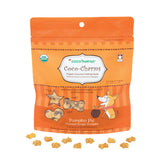
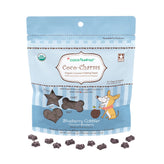
That’s where our training treats fit in so well. CocoTherapy Coco-Charms are perfect for frequent reinforcement since they’re small and training-friendly, with flavors like Cranberry Sweet Potato Pie, Blueberry Cobbler, Pumpkin Pie, and Peanut Butter Banana Blondie.
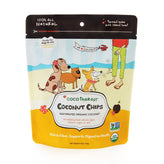
And for pet parents who want another wholesome option from our lineup, CocoTherapy Pure Hearts Coconut Cookies, including flavors like Banana Brulee, make it easy to keep training sessions rewarding.
How Can You Keep Dog Fitness Simple and Sustainable?
The best exercise plan is usually the one you can actually stick with. It doesn’t need to be perfect, intense, or complicated. In fact, a mix of simple activities done consistently often works better than an ambitious plan that’s hard to maintain.
Whether it’s a brisk walk, a game of tug, some hill work, or a few minutes of training with our CocoTherapy organic treats, these small routines can support strength, mobility, confidence, and overall wellbeing over time.
As Canine Fitness Month reminds us, healthy movement doesn’t have to be overwhelming. With a little variety and consistency, it can become one of the easiest and most valuable parts of your dog’s day.