


















Want to be the best pet parent you can be? It’s not about grand gestures or expensive toys. Often, the biggest improvements to your pet's health and happiness come from the small, consistent habits you practice every day.
From the water they drink to the treats they eat, your pet’s daily routine is full of little choices that matter. In this post, we’ll walk through eight easy pet care habits that can help you create a healthier home and support your furry friend from the inside out.

1) Give Your Pet Filtered Water
Water is one of the simplest places to start. Dogs and cats need fresh, clean water every day, but many pet parents don’t think much about what’s actually in the bowl.
Filtered water may help reduce unpleasant tastes, odors, sediment, and certain impurities that can be found in tap water. Some pets are picky about water, so improving the taste and freshness may even encourage them to drink more. That’s especially helpful for cats, senior pets, and pets that don’t naturally drink as much as they should.
Just as important, make sure the bowl itself stays clean. Wash water bowls daily, refill them at least once or twice a day, and place them somewhere your pet can access easily. If your pet suddenly starts drinking much more or much less than usual, it’s best to check in with your vet.
2) Choose Pet-Friendly Household Products
Your pet lives much closer to the floor than you do. They walk across freshly cleaned surfaces, nap on rugs, lick their paws, and sniff just about everything. That means household products can affect them more than we may realize.
Strong floor cleaners, artificial fragrances, carpet sprays, laundry products, and air fresheners can be irritating for some pets. Certain essential oils and heavily scented products may also be a concern, especially around cats, birds, puppies, kittens, senior pets, and pets with respiratory sensitivities.
A good habit is to choose unscented or pet-friendly cleaning products whenever possible. You can also open windows while cleaning, keep pets out of freshly cleaned rooms until surfaces are dry, and store all household products securely. For more tips, check out our helpful guide on safer alternatives to common household products.
3) Choose Functional Treats with Simple Ingredients
Treats are part of everyday life for many pets. They’re used for training, bonding, rewarding good behavior, and sometimes just because your dog is giving you that look. And since treats are often given regularly, it makes sense to choose ones that do more than just taste good.
Functional treats are made with ingredients that support a purpose, such as digestion, skin and coat health, or simple whole-food nutrition. The key is to look past flashy claims and focus on what’s actually inside the bag. We explain this more in our post on why most functional treats aren’t actually functional.
When choosing treats, here’s what to look for:
- Keep the ingredient list short. A shorter ingredient list is usually easier to understand and can be helpful for pets with sensitivities. It also makes it easier to spot ingredients your pet may not tolerate well.
- Look for recognizable ingredients. If you can clearly identify what’s in the treat, you’ll have a better sense of what your pet is eating. Whole-food ingredients are a better choice than vague fillers or artificial additives.
- Avoid unnecessary colors and fillers. Your pet doesn’t need treats to be brightly colored or packed with ingredients that don’t serve much purpose. Simple treats can still be tasty, rewarding, and useful.
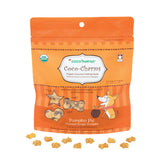
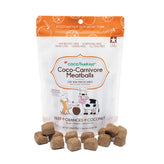
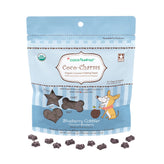
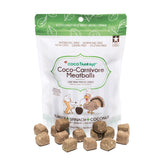
- Choose a treat that fits your goal. Training treats should be small and easy to portion, while higher-value treats may be better for enrichment or special rewards. For example, CocoTherapy Coco-Charms Training Treats can work well for everyday rewards, while CocoTherapy Coco-Carnivore Meatballs are a meat-based, freeze-dried option for dogs and cats that enjoy meaty treats.
- Feed treats in moderation. Even healthy treats should still be counted as part of your pet’s daily intake. Too many treats can crowd out balanced meals or add extra calories your pet doesn’t need.
4) Add Healthy Fats to Their Routine
Did you know that healthy fats can be a fantastic addition to your pet’s diet? When introduced carefully and in the right amount, they can do wonders for your furry friend.
Different fats offer different benefits. For example, fish oil is rich in omega-3s, which are great for joint health, while coconut oil’s medium-chain fatty acids can boost brain function in senior pets, support skin and coat health, strengthen the immune system, and improve digestion. Healthy fats can also make meals more appealing for picky eaters.
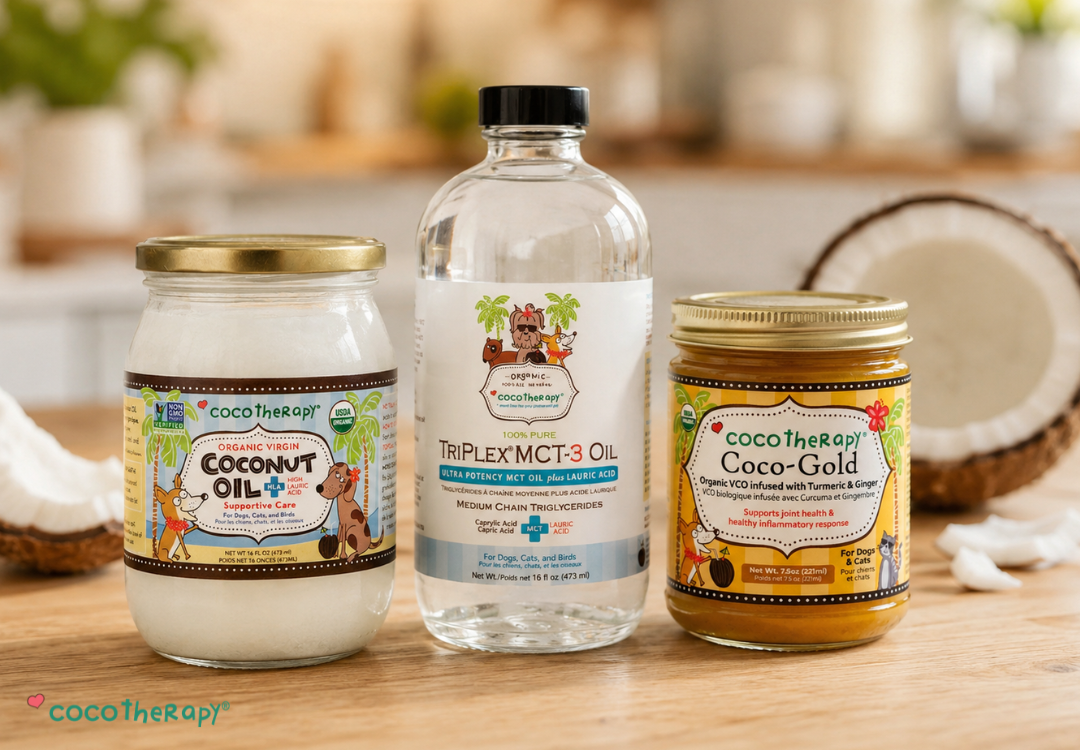
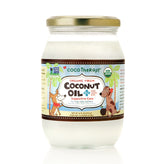
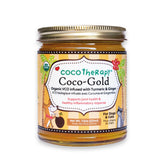
So, where do you start? Coconut oil is a simple yet powerful option that many pet parents love. A high-quality, organic oil like CocoTherapy Organic Virgin Coconut Oil is easy to mix into meals, offers a range of benefits, and is an excellent way to support your pet’s overall wellness.
The key to adding any new fat is to start slowly. Adding too much at once can upset your pet’s stomach, so begin with a very small amount and watch how your pet responds. If your pet has a history of pancreatitis, weight concerns, or other medical issues, it’s always best to talk with your veterinarian before introducing new fats or supplements to their diet.
5) Use Stainless Steel or Ceramic Bowls
Food and water bowls are used every single day, so they deserve a little more attention. Plastic bowls can develop scratches over time, and those tiny grooves may hold odors, residue, and bacteria.
Stainless steel and ceramic bowls are easier to clean and tend to hold up better with daily use. For some pets, switching away from plastic may also help reduce irritation around the chin or mouth, especially if the old bowl was scratched or hard to keep clean.
Whatever bowl you use, wash it daily with warm, soapy water. Replace cracked, chipped, or heavily scratched bowls, and don’t forget to clean slow feeders, lick mats, and puzzle bowls carefully. Those little corners can trap food faster than you’d think!
6) Read Labels More Carefully
Pet product labels can feel confusing, especially when every bag, bottle, or box claims to be healthy. That’s why label reading is such a helpful habit, giving you a clearer picture of what you’re actually feeding or using.
Start with the ingredient list. Look for clear ingredient names, simple formulas, and products that match your pet’s needs. Be cautious with vague terms, unnecessary artificial colors, and long lists of ingredients that don’t seem to add much value.
It’s also helpful to understand basic label information on pet food. We have a practical guide on how to understand the guaranteed analysis on pet food labels, which can make it easier to compare products more confidently.
Of course, every pet is different, and what works beautifully for one dog or cat may not be the best fit for another. While reading labels helps you make more informed choices, your pet’s individual response is what truly matters.
7) Support Digestion with Simple Daily Habits
Did you know your pet's digestive health affects more than just their bathroom habits? When their digestion is off, you might notice other changes, too – from their appetite and energy levels to how gassy or comfortable they are. This is where simple daily routines can make a big difference.
Consistent mealtimes are a great place to start. Pets often do better when their meals are predictable, their water is fresh, and diet changes are made gradually. If your pet eats too quickly, a slow feeder or puzzle bowl may also help them slow down and feel more satisfied.
For some pets, a little extra fiber can also help with digestive regularity. If you're looking for a simple, single-ingredient option, CocoTherapy Organic Coconut Chips are an easy treat or meal topper. To learn more, check out our blog post on how coconut fiber supports digestive issues.
As with any new food or supplement, introduce coconut chips slowly and watch your pet’s stool and comfort level. If your pet has ongoing diarrhea, vomiting, appetite changes, constipation, or sudden digestive problems, it’s time to call your vet.
8) Add Whole Foods to Dry Food When It Makes Sense
If your dog eats dry food, adding simple whole foods can make their bowl more interesting and nutritious. It can also add variety in texture, smell, and taste, which may be especially helpful for picky eaters.
The best additions are simple, pet-safe, and packed full of nutrients. Depending on your dog’s needs, this might include a small amount of plain cooked pumpkin, blueberries, steamed green beans, lean cooked meat, or a coconut-based topper like CocoTherapy Organic Coconut Chips. You can also add a small amount of CocoTherapy Organic Virgin Coconut Oil if healthy fats are a good fit for your pup.
Just remember to keep portions small and introduce new foods one at a time. Sudden changes can upset your dog’s stomach, even when the food itself is healthy. And because every dog’s diet, weight, health history, and calorie needs are different, it’s always a good idea to ask your veterinarian before making bigger changes to your dog’s meals.
Which Pet Care Habit Should You Start With First?
The best place to start is with the habit that feels easiest to keep. Maybe that means switching to better bowls and washing them daily, opting for filtered water, choosing pet-friendly cleaning products, or replacing low-quality treats with simpler options.
Don't feel like you have to do everything at once. Pick one or two habits that feel manageable and focus on those first. Once those habits are a solid part of your routine, you can build from there by adding another small change.
Small changes are easier to stick with, and consistency matters more than perfection. Over time, these everyday habits can help create a safer, cleaner, and more supportive routine for your furry friend’s long-term wellbeing.