



















Walk through any pet store or browse online, and you’ll see the word “organic” on foods, treats, oils, supplements, and almost everything in between. It sounds reassuring, especially when you’re trying to make thoughtful choices for your furry friend.
But does an organic label always mean the product is better? Not necessarily. There’s a big difference between a product that contains a few organic ingredients and one that’s been independently certified as organic.
In this post, we’ll explain what the label really means, how you can verify it, and what else you should consider before adding an organic product to your pet’s routine.

What Does “Organic” Really Mean?
In simple terms, organic describes how agricultural ingredients are grown, produced, processed, and handled.
Under the USDA’s National Organic Program, certified products must follow defined USDA organic standards, with compliance verified by a USDA-accredited certifying agent. These standards cover farming methods, permitted substances, processing, recordkeeping, and the way ingredients are handled throughout the supply chain.
That matters because “organic” isn’t simply another feel-good word for a package. When the term is used correctly and backed by certification, it tells you something meaningful about how the ingredients were produced. However, it still doesn’t tell you everything you need to know about the finished product.
Organic vs. Natural
Although “organic” and “natural” are often used side by side, they don’t mean the same thing.
In pet food labeling, natural generally refers to the source of an ingredient and how it was processed. Organic products, on the other hand, must meet specific farming, production, handling, and labeling standards.
A natural ingredient may come from a familiar plant or animal source, but that doesn’t mean it was organically farmed or independently certified. In the same way, neither “natural” nor “organic” automatically means a product is nutritionally complete, low in calories, suitable for allergies, or the right fit for your pet.
Organic Ingredients vs. a Certified Organic Product
This is where pet product labels can get confusing. A food or treat might list organic sweet potato, organic blueberries, or organic coconut in its ingredient panel, but that doesn’t always mean the finished product is certified organic.
USDA labeling rules separate products into different categories. Products labeled “organic” generally need to contain at least 95% certified organic ingredients, excluding water and salt. Products labeled “made with organic” followed by specific ingredients or ingredient categories must contain at least 70% certified organic ingredients and can’t display the USDA Organic seal.
When a product contains less organic content, the company may still identify individual certified organic ingredients in the ingredient list. However, that doesn’t mean the whole product can be presented as organic.
So, what does this mean when you’re shopping for your pet? A label filled with the word “organic” isn’t necessarily proof that the finished food, treat, or supplement has been certified. If the organic claim is one of the main reasons you’re choosing a product, it’s worth taking a closer look.
How Can You Tell If a Product Is Certified Organic?
Instead of relying on the claim printed in large letters on the front, turn the bag, bottle, or jar around and look for supporting information.
Genuine certification gives you a way to confirm that an outside organization has reviewed the organic claim. It’s more than a company simply telling you its ingredients are organic.
What to Look for on the Label
Start by looking for wording that identifies the organization responsible for certifying the finished product. The organization who certifies the finished product to be organic follows very strict standards set forth by the National Organic Program (NOP). Eligible certified products may also display the USDA Organic seal, although the seal isn’t mandatory in every eligible category.
We encourage pet parents to look for both the seal and the certifier whenever possible. The seal is easy to recognize, while the certifier provides the independent verification behind it.
Be cautious when a product uses organic wording prominently but doesn’t explain exactly what has been certified. Several organic ingredients in the ingredient list aren’t the same as certification of the finished product.
Packaging can also create an organic impression through green colors, leaves, farm images, or words like “clean,” “pure,” and “natural.” Those details may look appealing, but they aren’t proof. The certification information on the label tells you much more than the overall design.
What the Certification Process Covers
Organic certification isn’t limited to checking whether one ingredient came from an organic farm. It can involve reviewing approved ingredients, production and handling practices, processing methods, records, facilities, packaging, and labeling.
Certifying organizations also carry out inspections to make sure businesses continue following the required standards. In other words, certification isn’t a one-time box to check. It’s an ongoing process.
CocoTherapy's organic certification is verified annually through a National Organic Program-accredited certifier. Our coconuts are grown without synthetic pesticides or fertilizers, and we don't use chemical solvents or processing aids to extract the oil. Our certification and annual review provide independent oversight of our compliance with applicable organic standards.
The same commitment extends to our USDA Certified Organic vegan treats. Every organic ingredient, along with the baking, processing, and handling, is certified by a National Organic Program-accredited certifier, and our bakeries undergo annual inspections to ensure ongoing compliance with strict organic standards.
That’s why a certified finished product shouldn’t be viewed in the same way as one that simply contains an ingredient described as organic. Certification helps verify what happens from sourcing and handling through processing and final packaging.
What Does Organic Certification Guarantee, and What Doesn’t It?
Organic certification tells you that defined production and handling standards have been followed. It gives the claim more weight because an authorized outside organization has reviewed it.
However, it doesn’t automatically mean the product is healthier, safer, or more nutritious than every conventional alternative.
An organic pet food could still be unsuitable for your pet’s age, species, activity level, or health needs. An organic treat could still contain more calories than you realize, while an organic supplement could be unnecessary or unsuitable alongside certain medications.
Organic certification doesn’t make a product hypoallergenic, either. If your pet reacts to chicken, dairy, peanuts, or another ingredient, they may still react when that ingredient is organic. Certification changes how the ingredient was produced, not what the ingredient is.
The same applies to nutritional balance. When you’re choosing your pet’s main diet, you’ll still need to review the nutritional adequacy statement, feeding directions, calorie content, and guaranteed analysis.
If you’d like a little help making sense of those numbers, our guide to understanding the guaranteed analysis on pet food labels explains what to look for and how to compare products more confidently.
How Does CocoTherapy Put Organic Standards into Practice?
We believe organic certification is valuable, but it’s only one part of what makes a quality product. Freshness, sourcing, processing, ingredient simplicity, testing, and transparency matter, too.
Our coconuts are grown on our family’s USDA-certified organic farm in the Philippines, harvested at peak maturity, and processed close to the time of harvest. Because we oversee the journey from the farm onward, we have direct visibility into how the coconuts are grown, harvested, and processed.
That level of involvement helps us protect freshness, consistency, and traceability instead of relying entirely on bulk coconut ingredients from changing third-party sources.
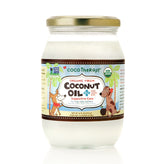
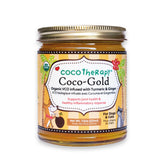
CocoTherapy Organic Virgin Coconut Oil
CocoTherapy Organic Virgin Coconut Oil contains one simple ingredient: 100% organic virgin coconut oil. It’s USDA-certified organic, Non-GMO verified, raw, unrefined, and cold-pressed without hexane, bleaching, chemical solvents, or additives.
Because the coconuts come from our family-owned farm and we oversee production, we know how they were grown, when they were harvested, and how the oil was extracted. The fresh coconut meat is processed soon after harvesting using gentle mechanical methods instead of high-heat refining or chemical extraction.
Many pet parents mix virgin coconut oil into meals or use it as part of their pet’s grooming and oral-care routine. However, it’s still a calorie-dense fat, so a little goes a long way. It’s best to introduce it gradually and consider those added calories as part of your pet’s full diet.
This is a good example of why the seal isn’t the only detail that matters. The certification is important, but so are the one-ingredient formula, direct sourcing, gentle processing, and the ability to explain exactly how the oil was made.
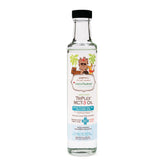
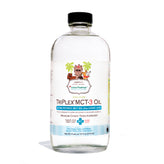
TriPlex MCT-3 Oil
TriPlex MCT-3 Oil is a concentrated MCT oil derived from organic virgin coconut oil. It contains caprylic acid, capric acid, and lauric acid, commonly known as C8, C10, and C12.
Many commercial MCT oils focus mainly on C8 and C10. TriPlex MCT-3 Oil also retains C12, creating a broader coconut-derived fatty acid profile. It’s made without palm oil, harsh chemical solvents, additives, or preservatives, using a controlled, low-heat, steam-based separation process.
This is where reading beyond the word “organic” becomes especially useful. When you’re comparing MCT oils, you’ll also want to know which fatty acids they contain, how they were processed, whether they include other oils, and how much your pet should receive.
As with any oil or nutritional supplement, start with a small amount and increase it gradually while watching your pet’s digestion. If your pet has a medical condition, takes medication, or follows a carefully controlled diet, talk with your vet before adding it to their routine.
CocoTherapy Certified Organic Treats
Treats are another area where the difference between organic ingredients and a certified organic finished product can easily get lost.
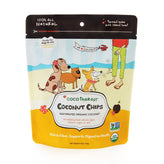
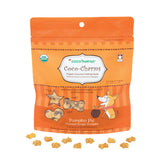
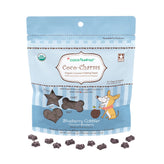
Our certified organic treats carry the USDA Organic seal and are certified by a National Organic Program-accredited certifier. That gives pet parents clear verification instead of asking them to rely on an unsupported claim printed on the front of a bag.
Coco-Charms Training Treats are small, crunchy treats made for training and regular rewards. Their small size makes it easier to reward your pet several times without handing out a large biscuit after every successful sit, stay, or recall.
For dogs that enjoy a bigger crunch, Coco-Milk Bones are coconut-based biscuits available in several recipes. As with any treat, it’s still important to consider serving size, chewing ability, and how the treats fit into the rest of your pet’s daily food.
Maggie’s Macaroons offer a softer alternative to traditional crunchy biscuits. Their texture may appeal to dogs that prefer an easier-to-chew treat, including some senior dogs.
Each of these treat collections serves a slightly different purpose. A tiny training reward, a crunchy biscuit, and a soft macaroon won’t suit every pet in the same way, so think about texture, calories, ingredients, serving size, and your furry friend’s individual needs.
What Else Should You Look For?
Once you’ve checked the organic claim, step back and consider the whole product. Certification tells you something useful about how the ingredients were produced, but these other details will help you decide whether it’s genuinely a good fit for your pet:
- Check the certification. Look for a clear organic claim supported by certification information and, when appropriate, the USDA Organic seal. Don’t assume that the word “organic” beside several ingredients means the finished product has been certified.
- Read the full ingredient list. One featured organic ingredient may look impressive on the front of a package, but it might make up only a small part of the recipe. Read the entire list so you’ll know what your pet is actually eating.
- Consider what the product is for. A complete diet, occasional treat, virgin coconut oil, and concentrated MCT oil all have different roles. Decide what you need the product to do before comparing claims.
- Review the nutritional information. For a main food, confirm that it’s nutritionally complete and appropriate for your pet’s species and life stage. For treats, oils, and supplements, check serving sizes, calorie content, and how they’ll fit into the rest of the diet.
- Look at sourcing and processing. Organic ingredients can still vary in freshness and quality depending on how they’re transported, stored, and processed. A transparent company should be able to explain where its key ingredients come from and how the product is made.
- Keep your individual pet in mind. Age, activity, allergies, chewing ability, medications, and health conditions can all affect whether a product is suitable. Even a carefully made organic product won’t be right for every dog or cat.
- Be cautious with vague promises. Broad wellness claims don’t tell you much if the company doesn’t explain the formulation, serving amount, or intended purpose. Clear, practical information is far more useful than a label that seems to promise everything.
- Choose companies that answer your questions. Trustworthy brands should be open about certification, ingredients, processing, testing, and quality standards. If you can’t find basic information, it may be worth looking elsewhere.
Are Organic Pet Products Really Worth It?
Certified organic pet products can be worth choosing when you value verified farming, sourcing, processing, and handling standards. Certification provides real accountability, but it shouldn’t replace careful label reading or an honest look at what your furry friend needs.
We believe organic is most meaningful when it’s supported by independent certification, responsible sourcing, careful production, and a product with a clear purpose. After all, the best choice isn’t simply the one with the biggest organic claim on the package.
It’s the product that can back up what it says, explain how it was made, and fit safely and comfortably into your pet’s daily routine.