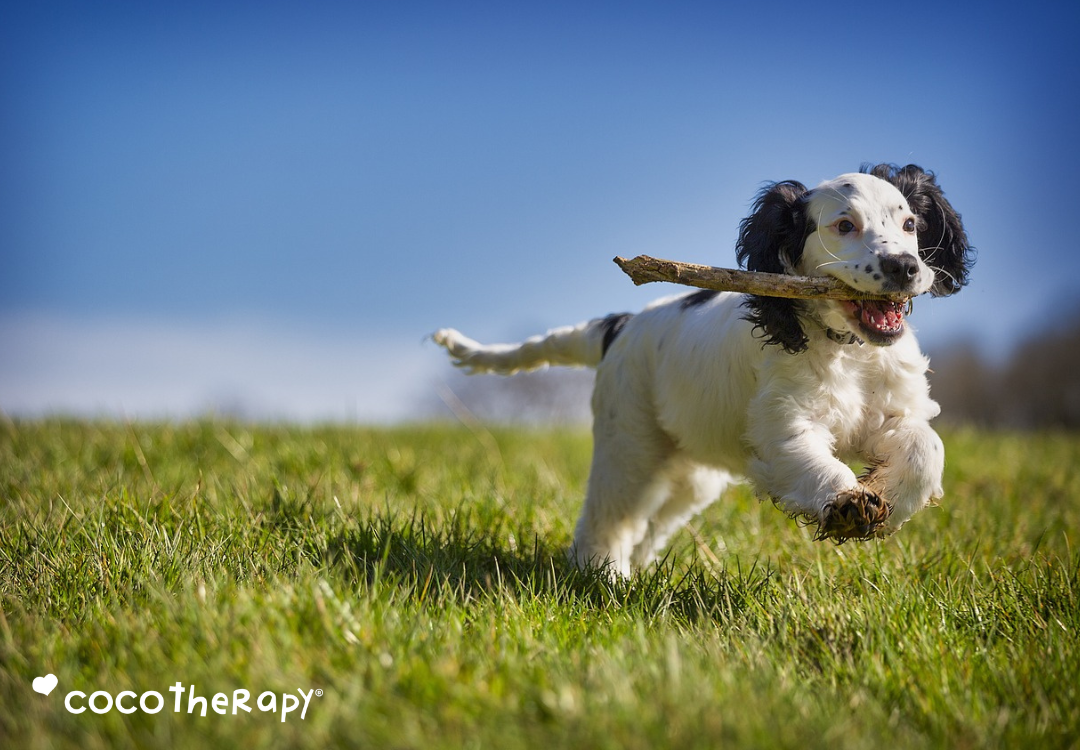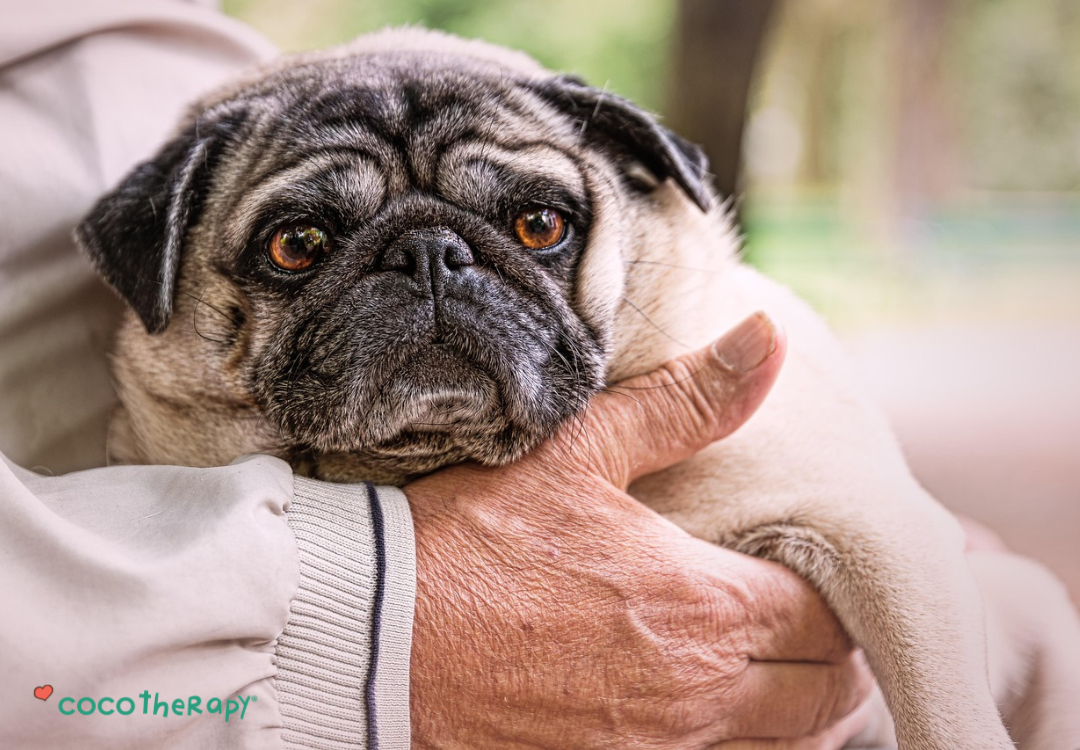

Our dogs may grow older, but their love for play and curiosity never truly fade. And just like us, senior dogs benefit from keeping their minds active and sharp. Regular mental exercise not only keeps them engaged but can also help slow down the natural cognitive changes that come with age.
If you read our previous post on neurological decline, you already know that supporting your dog's brain health makes a big difference. This guide is all about making that support fun – with brain games that challenge your dog’s mind, strengthen your bond, and bring daily joy to your aging companion.
Why Do Brain Games Matter for Senior Dogs?
As dogs age, their brains process information a little more slowly. They might hesitate before following a command or lose interest in activities that once excited them. These subtle changes are part of getting older, but that doesn’t mean mental sharpness is out of reach.
Brain games encourage dogs to think, solve problems, and explore their environment in new ways. They activate areas of the brain tied to memory, coordination, and emotional balance, helping your pup stay confident and happy.
Mental exercise also releases feel-good chemicals like dopamine that support calmness and focus. In short, brain games help your dog feel not just sharper but also more relaxed and content.
And the best part? It’s never too late to start. Even gentle five-minute activities can spark curiosity and get your dog’s tail wagging again.

What Makes a Good Brain Game?
Not every activity suits every senior dog. The key is to keep things simple, rewarding, and paced at your pet’s comfort level. A good brain game should check the following boxes:
- It’s easy to start. Look for games that don’t require complex steps or too much movement.
- It engages your dog’s natural instincts. Sniffing, licking, pawing, and problem-solving come naturally, so use them to your advantage.
- It ends on a win. Success builds confidence. Always choose challenges your dog can complete with a little effort and a big reward.
When you're playing brain games, remember: short and frequent sessions are often better than long ones. The goal is to stimulate your dog’s brain, not exhaust it. Adjust the difficulty as needed and, most importantly, keep it fun!
Keep reading for some engaging and stimulating brain games you can try with your furry friend.
DIY Brain Games You Can Make at Home
You don’t need expensive toys or special equipment to help your senior dog stay mentally sharp. With a few household items and a bit of creativity, you can create games that keep your dog’s mind active and their confidence high.
Try introducing one or two new activities each week and always go at your dog’s pace. Here are a few of our favorites:
Pool Noodle Walk
Looking for a simple way to improve your dog’s mental and physical agility? Try arranging pool noodles or broomsticks a few inches apart on the floor and guide your dog to walk slowly over them.
This gentle “pole walk” helps improve coordination and balance without putting pressure on joints. The American Kennel Club has a helpful guide on cavaletti-style exercises that you can adapt at home.
Scent-Tin Search
If your dog enjoys using their nose, this game is a winner. Place a cotton swab with a drop of safe essential oil inside a ventilated tin and hide it in an easy spot. Encourage your dog to sniff it out and reward them when they succeed.
Scent work offers great mental stimulation and is perfect for senior dogs because it’s low impact and relies on natural instincts. You can read more about scent-based activities for older pets in this AKC guide.
“Name That Toy” Object Game
Want to challenge your dog’s brain in a fun, gentle way? Pick two or three favorite toys and give each one a name. Say a toy’s name, encourage your dog to pick it up or touch it, and reward them when they get it right.
This activity helps strengthen memory and focus while deepening your bond. Trainers note that it’s like a crossword puzzle for dogs – simple, rewarding, and endlessly entertaining. The Whole Dog Journal offers excellent step-by-step advice on how to get started.
Box Adventure
Don’t underestimate the power of a simple cardboard box. Place one on the floor and reward any curious behavior, such as sniffing, pawing, or stepping inside.
This “free shaping” activity encourages problem-solving and builds confidence, especially for dogs that might be slowing down physically but still love to explore. The Karen Pryor Clicker Training team recommends this kind of open-ended play to keep dogs engaged and creative.
Pivot Perch
Flip a sturdy, non-slip bowl upside down and encourage your dog to place their front paws on it. Once they’re steady, ask them to take small, slow steps with their back legs around the bowl. This “pivot” exercise strengthens balance, coordination, and focus, helping your dog feel more confident as they move. The AKC has a clear tutorial on how to teach this safely at home.
When you introduce these games, keep things light and positive. Reward curiosity and effort rather than perfection, and if your dog seems tired or unsure, simplify the activity or take a break for affection.
Rotate the games every few days to keep them exciting and fresh. With a little creativity and patience, these at-home activities will help your dog stay bright, engaged, and full of life.
Ready-to-Buy Brain Games Worth Trying
While homemade games are a fantastic option, investing in interactive toys can be a great way to keep your dog mentally engaged and entertained. Here are a few top-rated options your senior pup will love:
ZippyPaws SmartyPaws Wagging Wheel Puzzler Feeder Bowl
This sturdy puzzle feeder encourages your dog to slide, nudge, and paw at compartments to find hidden food or treats. It features a non-slip base and multiple levels so you can adjust the challenge as your dog improves. It’s available at ZippyPaws and most major pet retailers.
Trixie Activity Flip Board
This clever board game from Trixie combines flaps, cones, and sliders to encourage problem-solving. It’s perfect for older dogs that enjoy thoughtful play without too much physical effort. The toy is easy to clean and made from durable, pet-safe materials. You can find it at Chewy or Amazon.
Up Dog Toys Odin Treat Puzzle Toy
This modern treat-dispensing ball can be rolled, nudged, or combined with other Odin modules for an extra challenge. It’s smooth, safe, and ideal for slow feeding, helping your dog stay calm while working their mind. Visit Up Dog Toys to learn more.
Outward Hound Lickin’ Layers Puzzle Toy
Calming and low impact, this puzzle encourages licking instead of pawing, making it ideal for dogs with limited mobility. With over 100 treat compartments, it keeps your dog engaged while slowing their eating. You can find it at Outward Hound and other pet retailers.
AWOOF Snuffle Mat
This soft fleece mat channels your dog’s natural foraging instincts. Hide treats inside the folds and let your dog sniff and search at their own pace. It’s a wonderful indoor activity for senior pets that prefer gentle stimulation. Check it out on Amazon.
These toys offer a mix of physical ease and mental challenge, focusing on scent work, problem-solving, and licking – all activities that reduce stress and boost cognitive function. Because they vary in style and difficulty, rotating between them keeps your dog curious and motivated.
Gentle Training for Sharp Minds
Teaching new tricks isn’t just for puppies. Senior dogs love learning too – especially when it’s done gently and with plenty of encouragement. Light training sessions help keep their minds sharp while strengthening the bond between you and your dog.
Start with easy cues like “touch” (nose to your palm), “spin,” or “find it.” These commands support coordination and awareness. Keep sessions short, around five to seven minutes, and always end on a positive note.
For dogs with limited mobility, focus on mental challenges over physical ones. Teaching your dog to identify toys by name or locate treats by scent keeps their mind active without adding stress. Even a few minutes of training each day can make a big difference in confidence and emotional wellbeing.
Weaving Brain Games Into Everyday Life
Enrichment doesn’t have to be complicated. In fact, the best results come when play becomes part of your daily rhythm. Try using puzzle feeders at mealtime or replacing one walk a week with a “sniffari.” These activities stimulate your dog’s senses and give them purpose.
Here are a few simple ways to make mental stimulation part of your routine:
- Pair play with meals. Use puzzle feeders for breakfast or hide treats before dinner to make eating more engaging.
- Create mini challenges. Rotate toys weekly or change where you play to keep things exciting.
- Celebrate curiosity. Praise your dog’s effort, even if they don’t get it right on the first try.
- Change the scenery. Bring indoor puzzles outside or move them to a new room for variety.
- Set consistent times. Having predictable “brain play” sessions helps your dog feel secure and look forward to the fun.
Over time, these small moments of connection and challenge add up. Your dog’s brain stays active, their confidence grows, and life feels richer for both of you.
Fueling the Brain: The Role of Nutrition
Of course, mental exercise is only one piece of the puzzle. To keep your dog's mind sharp, you need to provide the right fuel.
That's where nutrition comes in. Just like our brains need the right foods to function, so do our dogs'. Healthy fats, antioxidants, and vitamins protect their brain cells from stress and support long-term cognitive function.
One of the most effective brain fuels for dogs is MCT (medium-chain triglyceride) oil. MCTs are special fats that the body quickly converts into ketones, a clean and efficient energy source for the brain.
Studies show that adding MCT oil to a senior dog’s diet can improve alertness, focus, and memory over time. That’s why we created CocoTherapy TriPlex MCT-3 Oil, made from 100% organic, non-GMO coconut oil rich in three key fatty acids: caprylic (C8), capric (C10), and lauric acid (C12). Together, they deliver quick and lasting energy for your dog’s brain.
You can drizzle a small amount over meals, blend it into homemade treats, or mix it into puzzle-time snacks for added cognitive support. Just remember to start slow and talk to your holistic vet about dosage.
Knowing When to Slow Down
Mental exercise should feel joyful, never stressful. If your dog seems tired, disinterested, or anxious, simplify the activity and take a break. Signs like pacing or whining mean they’ve had enough for now.
Balance active play with quiet bonding. Gentle brushing, soft massage, or simply relaxing together helps your dog unwind and recharge. If you notice ongoing confusion or sudden behavior changes, check with your vet. Early support is always the best care.
Ready to Help Your Senior Dog Thrive in Their Golden Years?
Caring for your canine companion's mind and body is one of the most rewarding parts of being a pet parent. By staying tuned into their needs, engaging them with fun activities, and showering them with love, you can make sure their later years are their best years.
Remember, every small effort adds up. Your senior dog has given you a lifetime of love, now you can give them a happy, healthy, and joyful life in return.