




















Your dog’s digestion isn’t just about what’s in their bowl. It’s also about what’s happening in their body before, during, and after they eat.
If your canine companion is stressed, overstimulated, rushed, or always on high alert, their digestive system may not be working in the calm, steady way it’s meant to. That can affect how comfortably they eat, how well they settle after meals, and even what their stool looks like later.
That’s where the nervous system comes in. Your dog’s brain, gut, and body are always communicating, and this connection can influence appetite, digestion, stool quality, and comfort after meals.
In this post, we’ll look at how calmness supports digestion, why modern routines and diets can add stress, and how healthy fats, fiber, and simple mealtime habits can help support a more balanced gut.

How the Nervous System Affects Digestion
Digestion starts before food ever reaches your dog’s stomach. When your dog smells dinner, sees you reach for their bowl, or hears the treat bag open, their body starts preparing for food. Saliva increases, the stomach gets ready, digestive enzymes begin to do their job, and the gut starts moving in a way that helps food travel through the digestive tract.
This process works best when your dog feels safe and settled. You may have heard the phrase “rest and digest,” and that’s a helpful way to think about it. When your dog is calm, their body can focus more energy on breaking down food, absorbing nutrients, and moving waste through the gut comfortably.
When your pup is stressed or overstimulated, the body shifts priorities. Instead of focusing on digestion, their body switches into high-alert mode. This means your dog may be watching the door, reacting to noises, guarding food from another pet, or gulping meals because they’re too excited to slow down. Their body may be eating, but their nervous system may still be in “pay attention” mode.
Of course, stress isn't the only reason dogs have digestive issues. Loose stool, vomiting, gas, constipation, appetite changes, and discomfort can have many causes, including illness, parasites, food intolerance, infections, pancreatitis, or other medical concerns. But nervous system stress can be one of the easier factors to overlook, especially if your dog seems happy, active, or “just excited.”
What Is the Gut-Brain Connection in Dogs?
Your dog’s gut and brain are closely connected. They communicate through nerves, hormones, immune signals, and the community of bacteria living in the digestive tract. This is often called the gut-brain connection, and it’s one reason digestion and behavior can sometimes seem linked.
One important part of this connection is the vagus nerve. You can think of it like a two-way message line between your dog’s brain and gut. It helps send information back and forth, supporting digestion, gut movement, appetite signals, and the body’s response to stress.
When your dog’s nervous system is calmer, they may be better able to eat slowly, settle after meals, and move through the day without constant spikes of excitement or stress. On the other hand, a dog that’s frequently anxious, wound up, or overstimulated may have more trouble staying balanced.
A calm routine isn’t a substitute for veterinary care, but it is a useful reminder that digestion isn't separate from the rest of your dog’s body. The gut, brain, and nervous system all work together, and supporting one can help support the others.
How Overstimulation Can Make Digestion Harder
Modern dogs live in busy homes. Even a loving household can be full of stimulation, including doorbells, delivery drivers, visitors, other pets, children, traffic sounds, TV noise, phones, schedule changes, and exciting walks. Some dogs move through all of this easily, while others stay in a more alert, wound-up state for much of the day.
That matters because an overstimulated dog may have a harder time settling before meals. They may rush to the bowl, gulp food, pace, whine, guard their space, or stay focused on everything happening around them. Their body may be physically eating, but their nervous system may not be fully relaxed.
Fast Eating Can Add More Stress
Fast eating can create its own problems. Dogs that gulp meals may swallow extra air, which can contribute to gas or discomfort. They may also miss the natural feeling of fullness that comes from eating at a slower pace, which can make meals feel rushed, tense, and less satisfying.
Constant treat-seeking can add to the cycle too. If your dog is getting frequent snacks, table scraps, chews, and high-value treats throughout the day, their digestive system may not get much downtime. Their brain may also start expecting food as a response to boredom, excitement, or stress.
Food quality matters, but the way your dog eats matters too.
Can Your Dog’s Diet Add to the Stress Load?
Some foods are made to be extremely exciting to eat. Rich flavors, heavy processing, added sugars, excess starches, and highly palatable coatings can make certain foods and treats hard for dogs to ignore. For some dogs, these foods may encourage overeating, begging, food obsession, or constant searching for the next snack.
This can be especially noticeable in dogs that already struggle with excitement around food. If every treat or meal is designed to be intensely rewarding, your dog may have a harder time feeling calm and satisfied. Instead of food being part of a steady routine, it can become one more source of stimulation.
Look at the Full Diet, Not Just the Main Meal
When you're trying to figure out what's going on with your dog, it’s helpful to look at the full picture. What’s in your dog’s main food? What treats do they get? Are there toppers, chews, table scraps, or flavored supplements in the mix? Are new foods being introduced slowly, or does your dog’s gut have to adjust to frequent changes?
While high-starch foods provide quick energy, many dogs do better with the steadier energy from meals that include quality protein, healthy fats, and gentle fiber. But one ingredient doesn't tell the whole story. Your dog’s overall diet, health status, activity level, and individual tolerance all matter.
That’s why we recommend a species-appropriate diet built around fresh, high-quality ingredients like muscle and organ meats, healthy fats, and gentle fiber. When your dog’s diet is complete, balanced, and appropriate for their needs, it can support everyday wellness without adding unnecessary digestive stress.
How Healthy Fats Support Digestion and Brain Health
Healthy fats do more than add calories. They help your dog feel satisfied after meals, support the absorption of fat-soluble nutrients, and provide concentrated energy. Fats also play an important role in skin, coat, cellular health, and brain support.
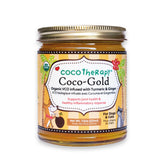
Medium-chain triglycerides, or MCTs, are a special type of fat. They’re digested differently from many long-chain fats and can be used by the body as a quick source of energy. Coconut oil naturally contains MCTs, while MCT oil provides a more concentrated source. If you’re deciding between the two, it can help to understand the difference between MCT oil and virgin coconut oil.
These oils aren’t cures or treatments, and they shouldn’t replace veterinary care. But when introduced slowly and used in the right amount, they can be a supportive addition to your dog’s diet.
One example is CocoTherapy TriPlex MCT-3 Oil, which provides three key medium-chain fatty acids: caprylic, capric, and lauric acid. These fatty acids are known to support brain health, metabolic function, and the digestive system.
As with any new fat, start small. Adding too much too quickly can lead to loose stool or an upset stomach. It’s also best to check with your vet first if your dog has pancreatitis, a known fat intolerance, or a history of digestive flare-ups.
Why Fiber Matters for the Gut-Brain Connection
Fiber is another important piece of the digestion puzzle. It helps support stool quality, regularity, and the beneficial bacteria that live in your dog’s gut. Since gut bacteria are part of the gut-brain connection, supporting a healthier gut environment may also help support communication between the digestive system and the nervous system.
For dogs that struggle with inconsistent stools, dietary fiber can be especially helpful. It can add bulk, support more regular elimination, and help the digestive tract move waste along in a balanced way. Fiber may also help some dogs feel fuller after meals, which can be useful for dogs that always seem hungry.
Coconut fiber can be a gentle way to add dietary fiber for many dogs. One easy option is CocoTherapy Organic Coconut Chips, which are made from low-heat dried coconut meat with no fillers or additives.
Unlike the pure white, dried coconut found in the baking aisle, CocoTherapy Organic Coconut Chips are never bleached or deodorized and are gentler on your pet’s digestive system. You can sprinkle them on your pet’s food to help support stool quality and regular digestion, even for pets with sensitive stomachs.
As with any dietary change, slow and steady is best. Too much fiber too quickly can cause gas, bloating, or stool changes, so start with a small amount and watch your dog’s response. The right coconut fiber can be a simple daily tool for supporting a more balanced gut.
Simple Ways to Create a Calmer Mealtime Routine
What your dog eats matters, but how they eat matters too. A few small changes around meals can help your dog feel more settled, slow down their eating, and give their digestive system a better chance to do its job.
Here are a few ideas to help you get started:
- Create a quiet feeding space. Feed your dog away from heavy foot traffic, loud noises, and other pets that may create competition. A calmer space can help your dog settle before and after eating, especially if they’re easily distracted or protective around food.
- Slow down fast eaters. Dogs that gulp food may swallow more air and feel less comfortable after meals. A slow feeder bowl, lick mat, or puzzle feeder can make mealtime more relaxed and mentally engaging. These tools also give your dog’s body more time to feel full.
- Keep meal timing consistent. Predictable routines can help some dogs feel more secure. When meals happen around the same times each day, your dog may be less likely to feel frantic, overly excited, or unsure about when food is coming.
- Limit constant snacking. Frequent treats, chews, and table scraps can keep your dog’s digestive system busy all day. Leaving more space between meals and snacks may help your dog settle into a more predictable rhythm.
- Avoid intense play right after meals. Running, jumping, or rough play immediately after eating can be uncomfortable for many dogs. Give your dog time to rest and digest before high-energy activity, especially if they’ve eaten a full meal.
- Choose supportive ingredients. Meals and toppers that include quality fats, gentle fiber, and simple ingredients may help support digestive balance. Add any new food or supplement slowly so your dog’s gut has time to adjust without unnecessary stress.
These habits are simple, but they can make meals feel less chaotic. For many dogs, that’s the point. The calmer the routine, the easier it often is for the body to shift into a more comfortable digestive state.
Signs Your Dog May Need Extra Digestive Support
Digestive stress can look different from dog to dog. Some dogs show obvious signs, like loose stool, vomiting, or gas, while others show more subtle changes that are easy to miss during a busy week.
Your dog may seem restless after eating, eat grass, lose interest in meals, gulp food too quickly, or have stool that changes depending on the day. You may also notice patterns, such as softer stool after boarding, travel, visitors, a schedule change, or a treat-heavy weekend.
These little clues can help you understand what your dog’s gut may be responding to. Maybe they’re more gassy when they’ve had extra treats. Maybe they eat too fast when other pets are nearby. Maybe their appetite shifts when the household routine is off.
It’s a good idea to track changes in food, treats, stool quality, appetite, behavior, and stressful events. You don’t need anything fancy. A simple note on your phone can help you spot patterns that may otherwise be easy to miss.
That said, digestive symptoms should never be brushed off if they’re ongoing, severe, or unusual for your dog. Talk with your vet if your dog has repeated vomiting, blood in the stool, ongoing diarrhea, constipation, weight loss, pain, bloating, lethargy, appetite loss, or sudden behavior changes.
Supportive nutrition and calmer routines can be helpful, but they work best when you also rule out medical issues that need proper care.
What’s the Best Way to Support a Calmer Gut Every Day?
Your dog’s gut, brain, and nervous system are closely connected. So, if you want to support better digestion, it helps to look beyond the bowl and think about your dog’s whole daily routine.
Start with simple, repeatable habits: a quiet feeding space, predictable meals, slower eating, and supportive ingredients introduced gradually. Then watch your dog’s stool, appetite, energy, and behavior so you can adjust as needed.
CocoTherapy products can fit naturally into this kind of routine, with coconut oil, MCT oil, and coconut chips offering simple ways to support everyday digestive wellness.
A calm dog is often better prepared to digest, absorb, and benefit from the food they eat. And while you can’t remove every stressor from your dog’s life, you can make mealtime feel steadier, simpler, and more supportive.
For many dogs, that’s a meaningful step toward a happier gut and a more comfortable day.