


















Your furry friend can eat a healthy, balanced diet, but there’s another important piece of the puzzle: how well their body can actually break down and use those nutrients. Protein, fats, vitamins, minerals, and antioxidants all need a healthy digestive process before they can support your pet’s energy, skin, coat, stool quality, and overall wellness.
That’s where virgin coconut oil comes in. It’s a simple, food-based fat that contains medium-chain triglycerides, or MCTs. These MCTs are digested differently than many other fats, making them an easy-to-use source of energy and a straightforward way to support healthy digestion.
In this post, we’ll look at how MCTs work, why they’re different from many other fats, and what the research says. Plus, we’ll cover how you can safely add virgin coconut oil to your pet’s daily routine to help support their digestive health and much more.

What Does Nutrient Absorption Mean for Your Pet?
Nutrient absorption is the process of moving nutrients from food into the body, where they can actually be used. Before that can happen, your pet’s food has to be broken down in the digestive tract. Proteins need to be broken into amino acids, fats into fatty acids, and carbohydrates into simpler sugars.
When digestion and absorption are working well, your pet gets more value from their food. This isn’t because of a single ingredient. The entire digestive process, from chewing to stool quality, influences how your pet benefits from their meals.
When your pet has healthy digestion, you might notice they have more consistent energy, healthier-looking stools, a shinier coat, and a good appetite. But if you see ongoing issues like loose stool, gas, vomiting, or sudden weight changes, it’s a good idea to talk to your vet.
Why Virgin Coconut Oil Is Different from Other Fats
Virgin coconut oil is rich in medium-chain triglycerides (MCTs), which are made up of medium-chain fatty acids such as lauric acid, caprylic acid, and capric acid. These medium-chain fats are handled differently than many long-chain fats found in common dietary oils.
A simple way to think about it is this: some fats take the scenic route, while MCTs take a more direct route. Long-chain fats need more digestive steps before they’re absorbed and transported. MCTs are generally easier to break down and can be carried more directly to the liver, where they may be used as a quick energy source.
This is one reason MCTs show up so often in nutrition research. They’re studied in connection with energy, digestion, fat metabolism, and nutrient use. For pets, that makes virgin coconut oil a helpful option to consider as part of a balanced routine, especially when you want a gentle fat source that’s easy to add to meals.
How MCTs Help Your Pet Use Nutrients
MCTs don’t replace the nutrients in your pet’s food, but they may help support the way the body uses food. Because they’re digested differently than many other fats, they can offer a practical source of energy without requiring the same digestive workload as long-chain fats.
That difference matters because fat isn’t just a calorie source. Dietary fat can also help the body use certain fat-soluble nutrients. Vitamins A, D, E, and K, along with carotenoids and other plant compounds, all depend on fat in some way for absorption, transport, or storage.
But what does this all mean for your pet? Does it mean you should just pile on the fat? Not exactly. Instead, it means the type, quality, and amount of fat in their diet truly matter. Virgin coconut oil can be a powerful addition to their meals, but only when it’s introduced slowly and served in the correct amount for your pet’s individual needs.
The relationship between fat, digestion, and nutrient absorption is complex and can even be affected by your pet’s stress levels. If you’re curious about how food, stress, and digestion are connected, you may also enjoy our post on why calm dogs digest better.
What Does the Research Say?
The research around coconut oil, MCTs, digestion, and nutrient absorption is promising, but it’s important to read it carefully. Not every study is in dogs or cats, and not every result should be applied directly to your pet’s diet.
Still, these studies help explain why virgin coconut oil and MCTs are so interesting from a nutrition standpoint. They show how coconut oil may influence digestive efficiency, fat use, nutrient uptake, and energy support in different models.
Ready to see the science for yourself? In this section, we’ll take a look at a few of the most interesting studies so you can better understand the potential benefits of coconut oil for your pet’s digestion and nutrient absorption.
Dogs With Chronic Enteropathy
In one study of dogs with chronic enteropathy, researchers looked at 18 dogs fed a home-cooked diet supplemented with virgin coconut oil. The dogs improved clinically with dietary treatment, and the researchers also saw changes in fecal fatty acids, including medium-chain fatty acids.
This study is especially relevant because it was done in dogs. However, it’s still important to be careful with the takeaway. The study looked at a full dietary approach, not virgin coconut oil as a stand-alone fix, and the authors noted that more research is needed to better understand MCFA absorption in dogs.
Nile Tilapia and Digestive Enzymes
A study on Nile tilapia found that fish fed diets containing coconut oil had improved growth, better feed utilization, and stronger digestive enzyme activity. The best results were reported around the 2% coconut oil diet.
Of course, fish aren’t dogs or cats. But this study still adds useful support to the bigger picture. It shows that coconut oil can influence digestion-related markers in an animal nutrition setting, especially when used at a moderate level.
Carotenoid Absorption in Gerbils
In a study comparing coconut oil and safflower oil, researchers found that coconut oil increased tomato carotenoid accumulation in several tissues of Mongolian gerbils. Carotenoids are fat-soluble plant compounds, so this study helps show how the type of dietary fat may affect nutrient uptake and storage.
For pet parents, the practical takeaway is simple. Healthy fats can help the body use certain nutrients more effectively. Virgin coconut oil may play a supportive role in that process, especially when paired with a nutrient-rich diet.
MCT Oil and Diarrhea Recovery in Children
A human study on MCT oil and childhood diarrhea found a statistically significant rate of weight gain in the MCT group compared with the non-MCT group. The study also reported no fat malabsorption during the intervention and no vomiting, dehydration, or fat intolerance related to MCT oil.
Of course, this wasn’t a pet study, so we can’t use it to make direct claims for dogs or cats. Still, it supports what we know about MCTs: they’re digested and absorbed differently than long-chain fats, and they may be useful in certain nutritional support settings.
Why This Matters for Your Dog or Cat
For your dog or cat, nutrient absorption affects more than digestion alone. It can influence how well they use the protein, healthy fats, vitamins, minerals, and antioxidants already in their food. When nutrients are digested and absorbed well, your pet’s body has more of what it needs to support daily wellness.
This is one reason we like simple, functional foods. Virgin coconut oil doesn’t need to be complicated. It can be added to meals in small amounts to support a healthy feeding routine and provide naturally occurring MCTs.
It’s also helpful to remember that every pet's digestion is unique. Some pets do well with a small amount of virgin coconut oil. Others may need a slower introduction, a smaller serving, or a different approach altogether. Your pet’s stool quality, appetite, energy, and comfort are all useful clues, so pay attention to them as you introduce virgin coconut oil into their diet.
Adding Virgin Coconut Oil Safely
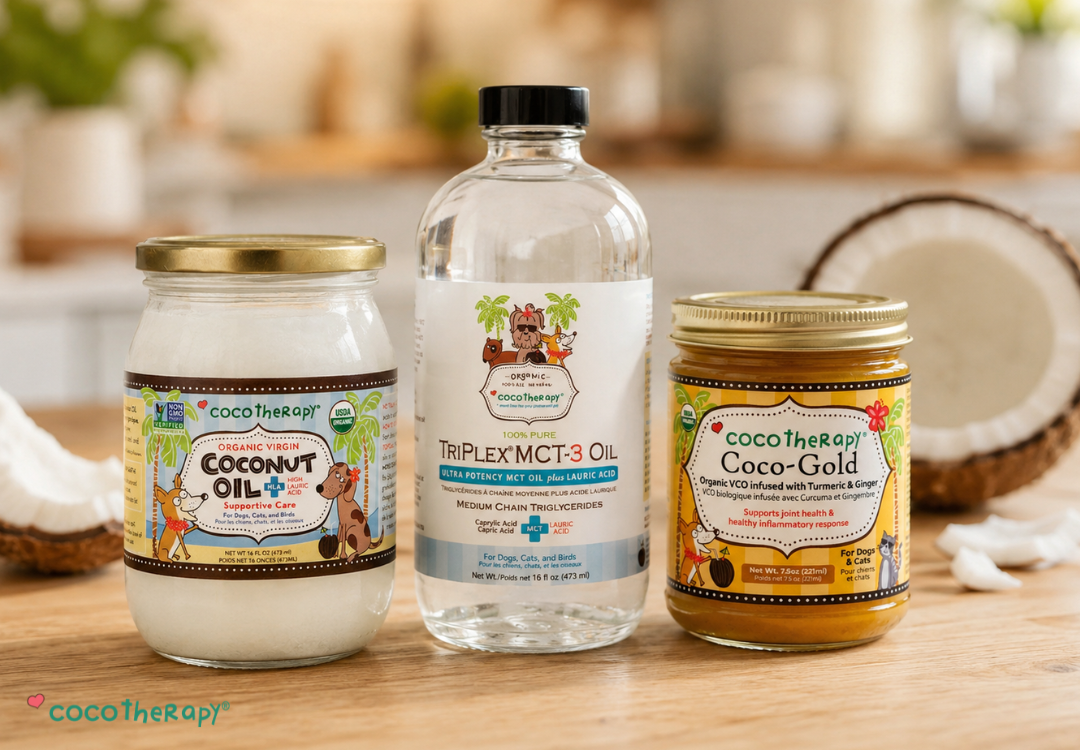
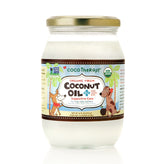
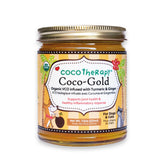
The easiest way to add virgin coconut oil is to keep it simple. We recommend CocoTherapy Organic Virgin Coconut Oil as a great starting point because it’s made for pets, sourced from fresh organically grown coconuts, and kept raw, cold-pressed, and unrefined.
Start slowly and give your pet time to adjust. Too much fat too quickly can lead to loose stool or an upset stomach, even when the food itself is healthy.
Here are a few quick tips to help you add virgin coconut oil to your furry friend’s diet:
- Start with a small amount. A little goes a long way, especially if your pet hasn’t had coconut oil before. Start with less than the suggested serving size and slowly work your way up to the recommended daily amount.
- Mix it into meals. Virgin coconut oil can be stirred into your pet’s regular food or used as a simple topper. Many pets enjoy the taste but mixing it well can make it easier on the stomach.
- Watch your pet’s response. Keep an eye on stool quality, appetite, energy, and comfort. If your pet develops loose stool, reduce the amount or pause and restart more slowly.
When Should You Check with Your Veterinarian First?
Virgin coconut oil can be a great fit for many pets, but some pets need extra care with added fats. If your pet has a history of pancreatitis, fat-sensitive digestive issues, chronic diarrhea, vomiting, liver or gallbladder concerns, diabetes, or another ongoing health condition, talk with your veterinarian first.
You should also check with your vet if your pet is on a prescription diet, takes medication, is pregnant or nursing, or is very young or senior. Your pet may still be able to benefit from virgin coconut oil, but you'll need a more careful approach.
This is especially important if your pet already has digestive symptoms. Virgin coconut oil can support a healthy routine, but it shouldn’t be used to cover up persistent vomiting, diarrhea, appetite changes, or unexplained weight loss. Those signs deserve a closer look, so make sure to have your pet checked by a vet.
Can Virgin Coconut Oil Help Your Pet Get More from Their Food?
Virgin coconut oil can help support nutrient absorption because its MCTs are digested and used differently than many other fats. Studies in dogs and other animals show that coconut oil and its MCTs can positively influence digestion, how well their body uses food, and the uptake of certain fat-soluble nutrients. Simply put, it helps them soak up more of the good stuff from their diet.
The best way to add virgin coconut oil to your pet's diet is to start slow. Choose a high-quality product like CocoTherapy Organic Virgin Coconut Oil, introduce it gradually, and watch how your pet reacts. When you add it to a balanced diet, this small step can help your pet absorb even more goodness from the food you so carefully choose for them.