


















Feeding your pet should feel simple, but it rarely stays that way. Between measuring meals, choosing treats, reading labels, trying new foods, and deciding whether your furry friend needs supplements, there are plenty of small choices to make every day. Even when you’re trying to do everything right, it’s easy to fall into habits that affect your pet’s weight, digestion, energy, and overall wellness.
In this post, we’ll cover seven common pet diet mistakes, explain why they matter, and share simple ways to improve your feeding routine. The truth is, you don’t need to chase a perfect diet or change everything overnight. A few thoughtful adjustments can go a long way.

7 Common Pet Diet Mistakes to Avoid
Choosing a good food is important, but it’s only one part of the picture. How much you serve, what you add, how quickly you make changes, and whether the diet still suits your pet can all affect how well that food works.
Ready to take a closer look at your pet’s routine? Let’s start with one of the easiest mistakes to make.
1) Guessing Portion Sizes
Do you scoop your pet’s food by eye and assume it looks about right? You’re not alone. The problem is that portion sizes can shift from one meal to the next, especially when different people in the household take turns feeding.
Those small differences might not look like much, but they can add up over time. A little extra food each day, alongside treats and toppers, may gradually push your pet beyond the amount of energy they actually need.
For better consistency, weigh your pet’s food with a kitchen scale. This is especially important for whole food diets, where ingredients vary in density and calorie content. Even a small difference in volume can meaningfully change what ends up in the bowl.
It’s also worth counting everything that goes into your pet’s daily routine. Oils, chews, table scraps, training rewards, food-filled toys, and toppers all contribute calories, even when they’re wholesome or served in small amounts.
Your pet’s body condition can help you judge whether the current amount is working. The World Small Animal Veterinary Association recommends regular nutritional assessments, including monitoring weight and body condition, rather than relying on one number alone.
2) Blindly Following the Recommended Feeding Amount
If you feed a commercial diet, the feeding guide on the package is a useful place to start, but it isn’t a personalized meal plan for your pet. Think of it as a starting point rather than a fixed rule.
Two pets of the same weight may need very different amounts of food. Age, activity, body condition, metabolism, health, and lifestyle all play a part. A busy working dog will usually have different calorie needs from a dog that prefers sleeping on the sofa, even when they’re similar in size.
This is where your pet gives you more useful information than the bag. Are they maintaining a healthy weight and body condition? Can you feel their ribs without pressing hard? Weight and body condition are the clearest signs that the amount may need adjusting, while appetite, energy, and stool quality provide useful information about how well the diet is working overall.
Some pets will need less than the package suggests, while others may need more. WSAVA guidance supports tailoring nutrition to the individual pet instead of treating general feeding directions as exact for every animal.
Make changes gradually and keep track of your pet’s weight. If they’re gaining or losing weight without an obvious reason, talk with your vet before making a major adjustment.
3) Giving Too Many Treats
Treats can make training more enjoyable, add variety to the day, and create plenty of happy moments between you and your pet. The trouble starts when those little extras aren’t really little anymore.
A biscuit after a walk, a dental chew, a few training rewards, and a bite from the dinner table may not seem like much on their own. Put them together, though, and they can make up a surprisingly large part of your pet’s daily calories.
As a general guideline, keep treats below 10% of a healthy dog’s daily calorie intake. The rest should come from a complete and balanced diet that provides the nutrients your furry friend needs.
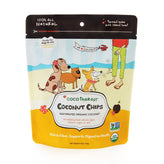
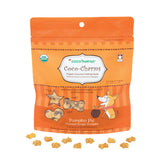
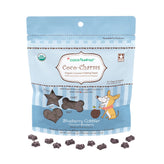
That doesn’t mean you have to stop giving treats. Instead, choose smaller rewards like our Coco-Charms training treats, break larger treats into pieces, and make sure everyone in the household knows how many are being given. If three people are all handing out snacks, a simple treat jar containing the day’s allowance can help prevent accidental overfeeding.
You can also use part of your pet’s regular meal for training. This works especially well when your pet is motivated by food and helps you reward good behavior without adding as many extra calories.
4) Not Reading the Pet Food Label Carefully
Pet food packaging is designed to catch your attention. Words like “premium,” “natural,” and “high protein” may sound impressive, but they don’t tell you whether the product is complete, suitable for your pet’s life stage, or appropriate for their individual needs.
That information is usually found elsewhere on the label. According to the Association of American Feed Control Officials (AAFCO), the nutritional adequacy statement is one of the most important parts because it tells you whether the food is complete and balanced and which species or life stage it’s intended for.
You’ll also want to check the calorie content, feeding directions, ingredient list, and guaranteed analysis. The guaranteed analysis shows minimum levels of crude protein and fat and maximum levels of fiber and moisture, along with other nutrients when specific claims are made.
However, those numbers can be tricky to compare when foods contain very different amounts of moisture. A canned food may appear lower in protein than kibble on the label, even though it contains more protein once both foods are compared on a dry-matter basis.
Our guide to understanding the guaranteed analysis on pet food labels explains how those percentages work and how to make a more useful comparison between wet, dry, raw, and freeze-dried foods.
The ingredient list still matters, but don’t let one featured ingredient make the decision for you. The full formula, nutritional adequacy, calories, quality control, and suitability for your pet all deserve attention.
5) Changing Foods Too Quickly
You find a new food, bring it home, and serve a full bowl that evening. It might be a different kibble, a raw blend, or a home-cooked recipe. What could go wrong?
Even when the new food is a good choice, changing too quickly can upset your pet’s digestive system. Loose stool, gas, vomiting, reduced appetite, and stomach discomfort may happen because the digestive tract hasn’t had time to adjust to the new ingredients or nutrient levels.
A gradual transition is usually much gentler. Start by mixing a small amount of the new food with the old food, then slowly increase the new portion while reducing the old one. Veterinary guidance commonly recommends transitioning over about seven to 14 days, although some pets may need more time.
Watch your pet closely during the change. If their stools become loose or their appetite drops, slow the process down rather than pushing ahead. Pets with sensitive digestion, a history of stomach problems, or a medical condition may need a transition plan from their veterinarian.
A little patience here can save you and your pet from a very messy week!
6) Forgetting to Adjust for Life Stage and Lifestyle
The diet that worked well when your pet was young and constantly moving may not be the best fit several years later. Nutritional needs change as your pet moves through different life stages, and their diet should reflect that.
Puppies and kittens need nutrition that supports growth and development, while healthy adults generally need food formulated for maintenance. AAFCO’s pet food label guidance explains that nutritional adequacy statements identify the life stage a complete and balanced food is designed to support.
Activity matters, too. A highly active dog may need more energy than a pet of the same size that’s less active. Pregnancy, nursing, illness, recovery, weight changes, and aging can also affect what and how much your pet should eat.
Senior pets deserve individual attention rather than an automatic switch based only on age. Some may need fewer calories as they become less active, while others may need help maintaining weight or muscle. Their health, appetite, activity, and body condition should guide the decision.
Feeding a homemade diet comes with added responsibility because it doesn’t have the built-in nutritional structure of a commercially formulated food. Without careful planning, gaps can develop, particularly as your pet’s needs change over time. Even a recipe that was once appropriate may no longer provide everything they need.
If you prepare your pet’s meals at home, work with a board-certified veterinary nutritionist to make sure the diet remains complete, balanced, and suitable as your pet ages or their health changes.
Review your pet’s diet during routine veterinary visits and whenever you notice a meaningful change in weight, movement, energy, or health. A diet shouldn’t stay on autopilot simply because it’s worked in the past.
7) Adding Too Many Supplements
You may add supplements because you want to give your furry friend as much support as possible. Before long, though, one powder can turn into a probiotic, an oil, a multivitamin, a joint chew, a green blend, and several different toppers.
When your pet already eats a complete and balanced commercial diet, extra vitamins and minerals may be unnecessary. In fact, adding too much can create nutrient excesses that may actually do more harm than good. Over supplementing puts pets at risk of toxicity, even when your intentions are in the right place.
Food-based supplements still count. Greens, herbs, oils, fiber powders, and concentrated ingredients can add calories, affect stool quality, or overlap with nutrients and functional ingredients already found in other products.
Before adding something new, take a look at what your pet already receives and think about what you’re hoping the product will do. Choosing one well-suited option is usually more helpful than piling several similar products into the bowl.
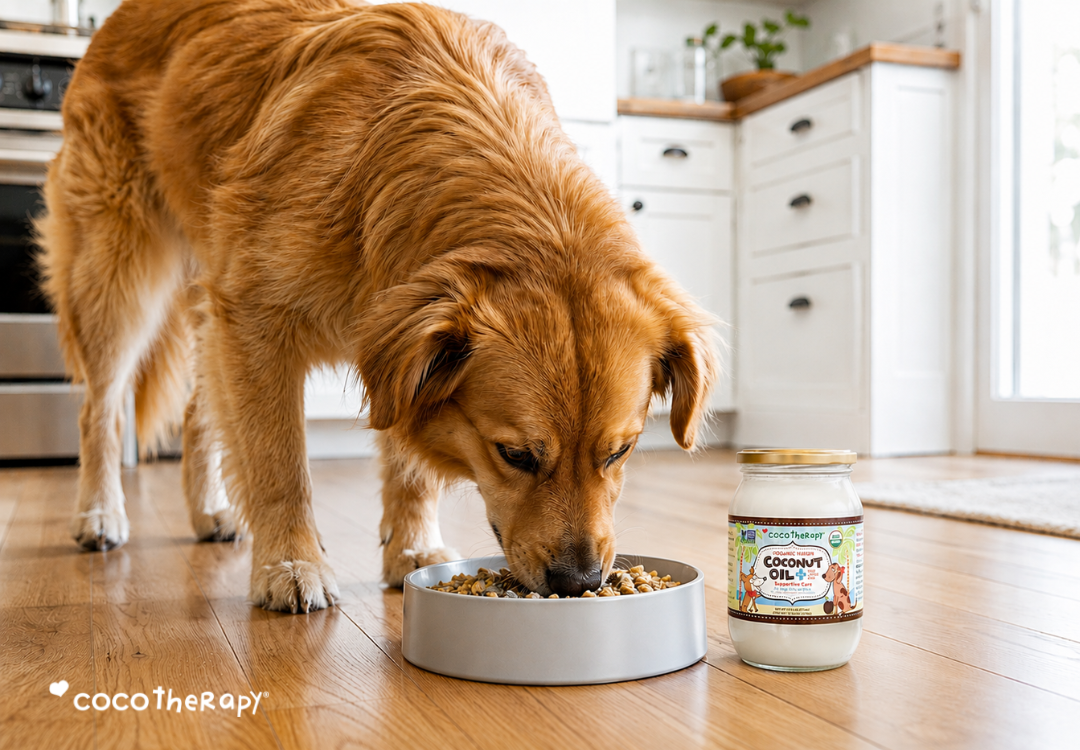
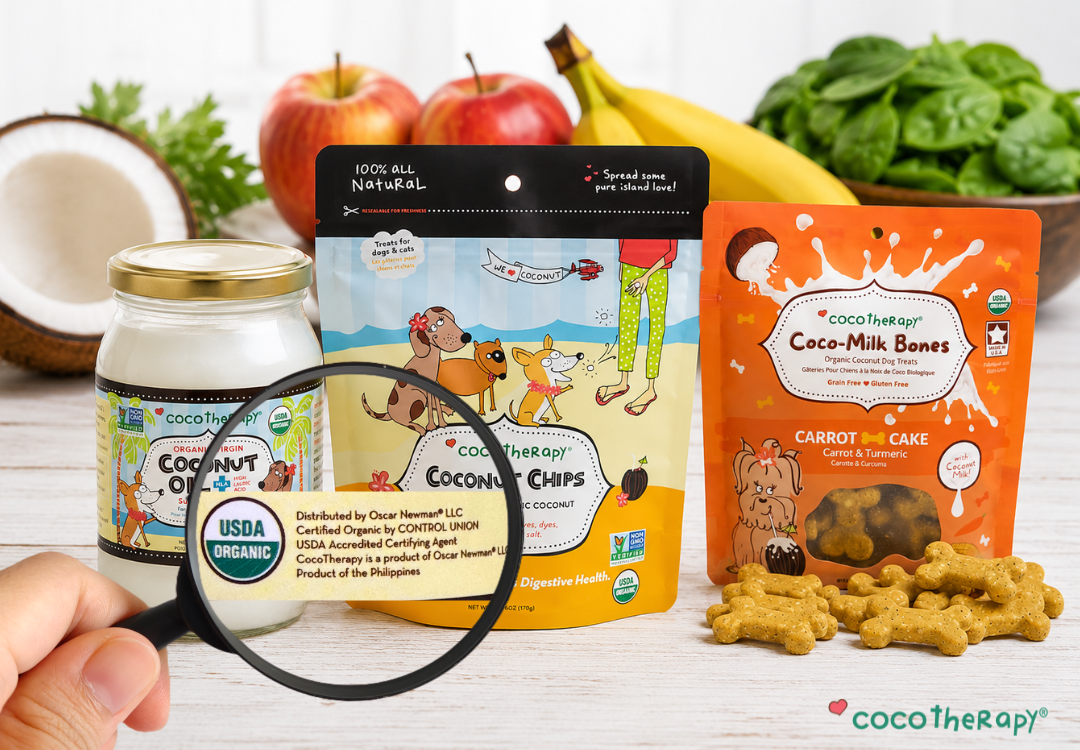
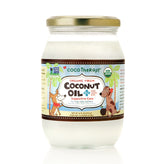
For example, CocoTherapy Organic Virgin Coconut Oil is made with one simple ingredient: 100% organic virgin coconut oil. It’s USDA-certified organic, raw, unrefined, and cold-pressed, and it can be added to meals or used as part of your pet’s grooming and oral-care routine.
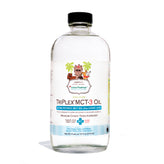
If you’re looking for a more concentrated source of medium-chain triglycerides, TriPlex MCT-3 Oil contains C8, C10, and C12 from organic coconut oil. It’s made without palm oil, harsh chemical solvents, additives, or preservatives, and we designed it as a concentrated MCT source to support energy, cognitive function, and daily wellness.
These oils have different fatty-acid profiles and may be useful for different goals. You might choose one based on your pet’s needs or rotate them so your pet receives the benefits of each. The key is to use them intentionally rather than adding both without a clear reason. It’s also important to introduce them slowly and pay attention to how your pet responds.
If your pet takes medication, eats a prescription diet, or has a medical condition, discuss supplements with your veterinarian first. Even natural products may not be suitable in every situation.
How Can You Build a Healthier Feeding Routine?
Once you spot a few habits that could use improvement, there’s no need to overhaul your pet’s entire routine by tomorrow morning. Instead, start with the areas that are easiest to control, then make steady changes you can maintain.
Here are a few tips to help you get started:
- Measure every meal. Use the same measuring cup each time or weigh the food for greater accuracy. Consistent portions make it much easier to understand how much your pet is eating and adjust the amount when needed.
- Watch your pet, not just the package. Feeding directions can help you get started, but your pet’s weight, shape, appetite, energy, and stools show you how the diet is working. Check these regularly instead of waiting until a change becomes obvious.
- Keep track of the extras. Treats, chews, toppers, oils, table food, and supplements all count as part of the diet. Writing them down for a few days can reveal calories and ingredients that are easy to forget.
- Make one change at a time. Adding several new foods or supplements together makes it difficult to know which one helped or caused a problem. Introduce changes gradually and give your pet time to respond.
- Review the routine regularly. Your pet’s needs can shift as they age, gain or lose weight, become more or less active, or develop a health concern. So, make sure to revisit their diet instead of assuming the same plan will always work.
- Ask for help when you need it. Your vet can help with unexplained weight changes, digestive problems, medical conditions, prescription diets, and supplement questions. For more complex nutrition needs, they may recommend working with a veterinary nutritionist.
How Can You Make Better Choices for Your Pet’s Diet?
Most feeding mistakes don’t happen because you aren’t trying hard enough. They usually come from small, well-meaning habits that slowly become part of your pet’s daily routine. The good news is that they’re easy to fix once you spot them.
You don’t need to build the perfect bowl or add every promising product you find. Focus on a complete and balanced diet, make changes with care, and pay attention to the pet in front of you. When their weight, digestion, energy, and overall comfort are heading in the right direction, that’s a much better sign than any feeding trend or package claim.