


















Your pet’s liver is one of those organs that handles an enormous amount of work every day. It helps process nutrients, manages how the body uses and stores energy, produces bile, and helps deal with substances that need to be broken down or removed. Yet most pet parents probably don’t give the liver much thought until a blood test comes back with an unexpected result.
So, where does coconut oil fit into all of this? At first, adding a fat to support an organ that plays such a big role in fat metabolism may sound a little surprising. But newer research is giving us a closer look at how coconut oil may affect fat buildup in the liver, oxidative stress, and the way liver cells respond when they’re put under pressure.
In this post, we’ll take a look at what researchers are finding and what it could mean for your furry friend. By the end, you’ll be up to speed on the latest in coconut oil and its potential benefits for pet liver health.

What Happens When Coconut Oil Reaches the Liver?
To understand why researchers are interested in coconut oil and liver health, it helps to start with what happens after your pet eats it.
Some of the shorter fatty acids found in coconut oil, especially caprylic acid (C8) and capric acid (C10), are handled differently from many longer-chain dietary fats. They can travel relatively quickly from the digestive tract to the liver through the portal circulation, where they can be used for energy and converted into ketones.
A simple way to think about it is that these fats take a more direct route. Once they reach the liver, they can be put to work fairly quickly rather than following all the same transport steps as many longer-chain fats.
That difference is one reason medium-chain triglycerides (MCTs) have attracted so much attention in nutrition research. Coconut oil also contains plenty of lauric acid, along with naturally occurring plant compounds that have been studied for their antioxidant properties.
We’ve covered the basic relationship between coconut oil and liver health previously on the blog. What’s especially interesting now is that newer research is helping us see more clearly what may be happening inside the liver itself.
Could Coconut Oil Help Limit Fat Buildup in the Liver?
One of the most interesting recent studies looked at a simple question: what happens when the main source of fat in a high-fat diet is coconut oil instead of lard?
In a 2025 study, researchers fed mice one of two high-fat diets for 12 weeks. Both provided 60% of their calories from fat, but one used lard as the main fat source and the other used hydrogenated coconut oil.
The difference in the liver was striking. Mice eating the coconut-oil diet had less hepatic fat accumulation than those eating the lard-based diet. Researchers also found higher concentrations of caprylic, capric, and lauric acids in their livers.
They then looked at genes involved in inflammation and fat metabolism. The coconut-oil-fed mice had lower expression of several of these genes, including Scd1, Fasn, and Elovl6, as well as the inflammatory marker Tnfa. In plain terms, the type of fat in the diet appeared to change the way the liver handled and produced fats at a cellular level.
That’s an important detail. Both groups were eating diets that were very high in fat, yet the effects inside the liver weren’t the same. It’s a useful reminder that looking at the amount of dietary fat alone doesn’t tell us the whole story.
Of course, these were mice rather than dogs or cats, and the study used hydrogenated coconut oil rather than the virgin coconut oil (VCO) you’d usually give a pet. Still, the results give researchers a valuable clue about how coconut-derived medium-chain fats may affect liver metabolism.
Virgin Coconut Oil and Oxidative Stress
Fat accumulation is only one part of liver health. The liver is also constantly carrying out chemical reactions, and those processes naturally create unstable molecules known as free radicals.
Your pet’s body has antioxidant systems that help keep those molecules under control. When free-radical production becomes too high for those defenses to handle comfortably, oxidative stress can develop. Over time, that can damage cell membranes, proteins, and other parts of liver cells.
This is where virgin coconut oil becomes particularly interesting. Alongside its fatty acids, VCO contains naturally occurring compounds, including phenolics, that have been studied for antioxidant activity. Research also shows that coconut oil’s antioxidant effects can vary depending on the type of oil and the way it’s processed.
A 2023 rat study looked at virgin coconut oil in animals exposed to cigarette smoke. Smoke exposure raised liver-injury enzymes, while rats receiving VCO showed significantly smaller increases in those markers. The researchers described the findings as evidence of a hepatoprotective effect associated with protection against smoke-related oxidative stress.
A separate 2019 study looked at diabetic rats and measured oxidative-stress markers in the liver, kidneys, and heart. VCO supplementation changed several antioxidant-related measurements and reduced lipid peroxidation in the liver and heart of the diabetic animals.
The exact antioxidant response differed from tissue to tissue, which is fairly common in this kind of research. But taken together, these studies suggest that VCO may help influence the way liver tissue responds when oxidative stress is high.
Virgin Coconut Oil and Liver Protection
Researchers have also tested virgin coconut oil in situations where the liver is exposed to substances known to cause tissue injury.
A 2023 study looked at doxorubicin, a chemotherapy drug that’s highly useful in cancer treatment but can also cause oxidative damage in healthy tissues. Rats receiving doxorubicin developed biochemical and tissue changes linked with liver injury, while rats that received VCO before the drug showed improvements in several markers of liver damage, oxidative stress, antioxidant defense, and apoptosis.
Earlier research found a similar pattern with methotrexate, another medication that can put stress on the liver. In a rat study, VCO supplementation before methotrexate exposure reduced signs of hepatic damage and improved several parts of the liver’s antioxidant defense system.
The interesting part isn’t the medications themselves. It’s that VCO has shown protective effects in several very different models of liver stress.
These studies aren’t a reason to use coconut oil to manage medication side effects, poisoning, or diagnosed liver disease at home. They’re useful because they help researchers understand how coconut oil may interact with oxidative stress, inflammation, and liver-cell protection.
And that brings us to something pet parents are much more likely to encounter in everyday veterinary care: liver enzymes.
What Do Liver Enzymes Actually Tell Us?
If your pet has ever had routine bloodwork, you may have seen abbreviations like ALT or AST on the results.
These enzymes are found inside cells, including liver cells. When those cells are irritated or damaged, more of the enzymes can leak into the bloodstream. That’s why researchers often measure them when they’re looking for signs of liver injury.
One useful point to remember is that liver enzymes aren’t the same thing as a direct measurement of how well the liver is functioning. Elevated values can tell your vet that something may be affecting the liver, but they usually need to be interpreted alongside other blood results, symptoms, medical history, imaging, and sometimes additional testing.
The 2025 coconut-oil study gives us a good example of why that matters. Researchers found no significant difference in ALT or AST between the coconut-oil and lard groups, yet the mice eating coconut oil had less liver fat accumulation on histological testing.
In other words, meaningful changes can be happening inside the liver even when a couple of familiar blood markers don’t look very different.
If your dog already has abnormal liver values or you’d like to understand common liver problems in more detail, our guide to liver disease in dogs covers the signs, testing, and common conditions you may come across.
Why the Type of Dietary Fat Matters
We tend to talk about fat as though it’s one single nutrient. A food is either “high fat” or “low fat,” and that can make it easy to assume every gram of fat behaves in roughly the same way. But the research suggests it’s a little more complicated than that.
Fatty acids vary in chain length, structure, source, and the way they’re digested and metabolized. Those differences can affect where they travel, how quickly they’re used, and what happens once they reach tissues such as the liver.
The 2025 lard-versus-coconut-oil study illustrates this especially well. Both diets supplied the same percentage of calories from fat, yet the mice developed noticeably different levels of liver fat and showed different patterns of gene expression.
Research isn’t perfectly consistent, though, and that’s important too. In another 2023 rat study, replacing part of a high-lard diet with virgin coconut oil didn’t reduce hepatic steatosis. The coconut-oil group did, however, show a better antioxidant profile than the group eating only the high-lard diet.
Different study designs, amounts, oil types, feeding periods, and animal models can all change the outcome. That’s why the most useful takeaway isn’t that one fat always wins. It’s that the type and amount of fat matter, and coconut-derived fatty acids clearly behave differently enough to keep attracting scientific attention.
Why the Type of Coconut Oil Matters
If you’re reading studies about coconut oil, you’ll notice researchers don’t always use the same type. Some test purified MCTs, some use refined or hydrogenated coconut oil, and others specifically use virgin coconut oil.
Those differences matter more than you might think. The type of coconut oil used can significantly influence a study’s findings, which means comparing results across studies isn’t always straightforward.
Virgin coconut oil is made from fresh coconut meat without the extensive refining used to produce RBD (refined, bleached, and deodorized) coconut oil. Its finished composition can be affected by the quality and maturity of the coconuts, extraction method, storage, heat, moisture, and other processing steps.
VCO can also contain naturally occurring phenolic compounds associated with antioxidant activity. Research comparing coconut oils has found that antioxidant profiles vary according to extraction and processing, which is another reason it’s useful to know exactly what type of oil was tested.
For pet parents, this makes reading beyond the words “coconut oil” worthwhile. If you’re choosing an oil because you value its natural fatty-acid and plant-compound profile, sourcing and processing matter.
Our guide to how to choose coconut oil goes into more detail about what to look for and why seemingly similar oils can be very different.
What Does This Research Mean for Dogs and Cats?
So far, liver-specific coconut oil research gives us several encouraging areas to watch.
Across different animal models, researchers have reported reduced liver fat accumulation in some settings, changes in genes involved in liver fat metabolism, lower lipid peroxidation, shifts in antioxidant defenses, and protective effects during experimentally induced liver injury.
The important detail is that most of these studies have been carried out in mice and rats rather than household dogs and cats. That means researchers have a growing picture of how coconut-derived fats may interact with liver biology, while we still need more pet-specific clinical trials to know exactly how those effects translate to everyday canine and feline nutrition.
For healthy pets, virgin coconut oil can be a valuable addition to the diet, providing distinctive coconut fatty acids along with a concentrated source of energy. If your pet has diagnosed liver disease, it’s still important to work with your vet so the oil fits properly into their specific nutrition plan.
Different liver conditions may call for different approaches, so there isn’t one universal “liver diet.” Your vet may need to consider your pet’s calorie intake, body condition, other health problems, medication, and the underlying cause of their liver changes before deciding whether added fats are appropriate.
That individualized approach matters much more than simply adding a food because it has promising research behind it.
CocoTherapy’s Approach to Coconut Oil Quality
If you’re choosing coconut oil as part of your pet’s regular diet, quality is one of the easiest things you can control.
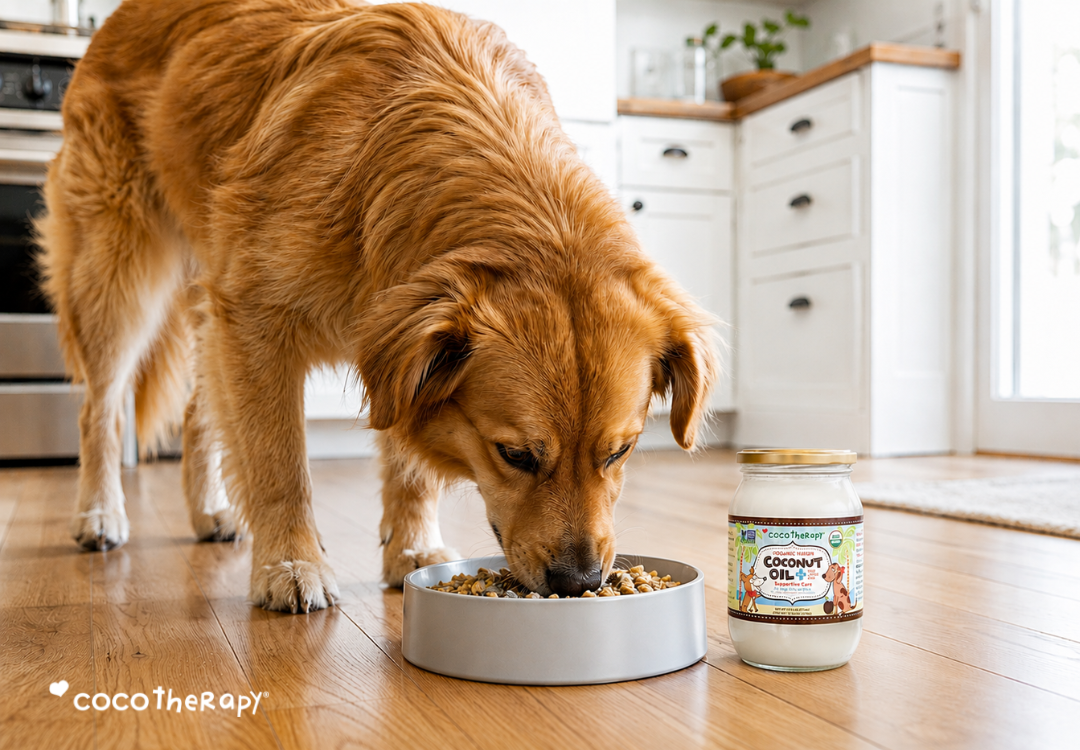
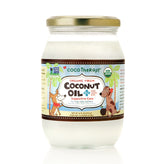
CocoTherapy Organic Virgin Coconut Oil contains one simple ingredient: 100% organic virgin coconut oil. Our coconuts are grown on our family’s USDA-certified organic farm and harvested at peak maturity, with the fresh coconut meat processed within hours of harvest.
The oil is USDA-certified organic, Non-GMO verified, raw, unrefined, and cold-pressed. It’s made without hexane, chemical solvents, bleaching, or hydrogenation. These choices keep our product simple and let us oversee every step, right from the coconut farm.
For pet parents looking for a whole virgin coconut oil to use as part of an everyday wellness routine, that level of transparency makes it much easier to know exactly what’s going into the bowl.
How Can You Support Your Pet’s Liver Every Day?
Your pet’s liver doesn’t depend on one ingredient to stay healthy. Diet, body condition, activity, underlying health, medications, and regular veterinary care all play a part.
If you’d like to include coconut oil, these simple habits can help it fit comfortably into the bigger picture:
- Keep portions sensible. Coconut oil is calorie-dense, so the amount should fit into your pet’s full daily diet. Adding more and more won’t create extra liver benefits, and excess calories can work against healthy body condition.
- Introduce it gradually. If your pet isn’t used to added fat, start with a small amount and increase slowly. This gives their digestive system time to adjust and makes it easier to spot loose stool or other signs that you’ve gone too quickly.
- Maintain a healthy weight. Keeping your pet at an appropriate body condition supports healthy metabolism throughout the body. Portion control, daily movement, and a balanced diet all matter alongside any nutritional extras.
- Keep the diet balanced. Coconut oil can complement your pet’s regular food, but it shouldn’t push important nutrients out of the bowl. Your furry friend still needs appropriate protein, essential fatty acids, vitamins, minerals, and other nutrients from a complete diet.
- Be selective with supplements. More isn’t automatically better. If you’re already using several oils, powders, herbs, or nutritional products, check whether they overlap and whether each one has a clear purpose.
- Pay attention to changes. Loss of appetite, repeated vomiting, unusual tiredness, unexplained weight loss, a swollen abdomen, or yellowing around the eyes or gums all deserve veterinary attention. These aren’t signs to manage by simply increasing coconut oil.
- Work with your veterinarian. If your pet already has abnormal liver values or diagnosed liver disease, check before changing their diet. Your vet can help decide whether coconut oil makes sense alongside the rest of your pet’s treatment and nutrition plan.
If your vet is happy for you to include it, our guide to using coconut oil explains how to introduce it gradually and work it into your pet’s regular routine.
Can Coconut Oil Really Help Support Better Liver Health?
The latest research gives us several encouraging reasons to keep paying attention to coconut oil and liver health. Studies have linked coconut-derived fats with changes in liver fat metabolism, antioxidant defenses, and protection against oxidative stress in several animal models.
There’s still more to learn, especially in dogs and cats, but the overall picture is promising. For healthy pets, a high-quality virgin coconut oil can be a simple, nourishing addition to a balanced diet and everyday wellness routine.
As always, the goal isn’t to rely on one ingredient to do everything. It’s to make thoughtful choices that support your pet’s whole-body health, and coconut oil can be one useful part of that bigger picture.