





























National Holistic Pet Day falls on August 30, making it a great time to take a closer look at your pet’s everyday routine. Holistic wellness can sound like a big idea, but it really comes down to looking at the whole pet rather than focusing on one symptom, one supplement, or one part of the body.
Nutrition, digestion, movement, mental wellbeing, sleep, metabolic health, and preventive care all work together. You don’t need to overhaul everything at once, either. A few simple habits, repeated consistently, can go a long way toward helping your furry friend feel their best.
In this post, we’ll look at seven practical ways to build a more holistic wellness routine, from what goes into the food bowl and how you support gut health to movement, mental enrichment, rest, and the little everyday changes that are worth paying attention to.

1) Build the Routine Around Good Nutrition
Good nutrition is one of the easiest places to start because it supports almost everything else your pet’s body does.
Protein helps maintain muscles and tissues. Fats provide concentrated energy and support the skin, coat, cells, and brain. Vitamins and minerals are involved in countless everyday processes, while fiber helps support digestion and stool quality.
There’s no need to chase every trendy ingredient you see online. It’s much more useful to look at your pet’s full diet and ask whether it’s complete, balanced, appropriate for their species, and suited to their age, activity level, and individual needs.
It also helps to look beyond the main meal. Treats, chews, toppers, oils, table scraps, and supplements all count toward the daily diet. A food bowl may look perfectly balanced on its own, but those little extras can add up faster than you might think.
Simple ingredients with a clear purpose can make things easier. Healthy fats, for example, can be useful additions when they fit comfortably into the rest of the diet, and they can also help support nutrient absorption. Virgin coconut oil (VCO) provides a naturally broad range of coconut fatty acids, while concentrated medium-chain triglyceride (MCT) oil offers a more targeted source of medium-chain fats.
As with any new food or supplement, start gradually and pay attention to how your furry family member responds. Good nutrition should make the routine feel more supportive, not more complicated.
2) Give the Gut a Little Everyday Support
Your pet’s digestive system is responsible for so much more than you might think. Beyond breaking down food and absorbing nutrients, it also houses a vast community of microorganisms and plays a key role in supporting normal immune function.
That’s why gut health often shows up in everyday ways. You may notice it in your pet’s appetite, stool consistency, gas, comfort after meals, or how well they handle changes in food. The gut also communicates closely with the brain, which is why understanding the gut-brain connection can give pet parents an even better picture of whole-body wellness.
One of the simplest things you can do is keep the diet relatively consistent. Constantly switching foods, treats, toppers, and supplements can make it harder to tell what actually agrees with your pet.
Fiber can also be helpful. The right amount can help support healthy, regular stools, while certain fermentable fibers also provide food for beneficial bacteria living in your pet’s gut. For pets that need a little extra fiber, coconut fiber can be an easy way to add it without turning the bowl into a complicated mixture of supplements.
CocoTherapy Organic Coconut Chips, for example, are made from coconut meat and can be sprinkled over meals as a simple topper. They provide coconut fiber along with naturally occurring coconut fats, making them an easy addition for pet parents who want to support everyday digestive wellness.
Hydration matters too, so make sure fresh water is always available and introduce dietary changes slowly enough to give your pet’s digestive system time to adjust. When it comes to gut health, simple and consistent habits often go a surprisingly long way.
3) Make Daily Movement Fit Your Pet
Exercise is important, but there’s no single perfect amount or type of activity for every pet.
A young, energetic dog may enjoy long walks, hiking, swimming, or a good game of fetch. A senior dog may be happier with shorter walks, plenty of sniffing time, and gentle movement spread throughout the day. Cats may prefer climbing, chasing toys, stalking games, or several short bursts of play, so the best routine is always the one that suits the pet in front of you.
Regular movement helps maintain muscle, supports healthy joints, encourages circulation, and can make it easier to maintain a healthy body condition. It can also support digestion and give pets an outlet for natural behaviors like sniffing, chasing, climbing, and exploring.
Consistency usually matters more than intensity. A manageable routine you can keep up with every day is often more useful than one huge weekend adventure followed by several inactive days. If you need a little inspiration, these easy exercises offer plenty of ways to work more purposeful movement into a dog’s normal routine.
And don’t overlook the mental side of movement. A slow sniff walk may not look like intense exercise, but your dog is taking in a huge amount of information through their nose. For many pets, that mix of movement and mental stimulation is exactly what makes an outing so satisfying.
4) Don’t Forget Mental and Emotional Wellness
A pet can eat a great diet and get plenty of exercise but still need more support if they’re bored, anxious, overstimulated, or rarely given the chance to use their brain.
Mental enrichment doesn’t have to be elaborate. Hiding a few treats around the house, practicing a familiar training skill, letting your dog spend extra time sniffing on a walk, or rotating your cat’s toys can make an ordinary day much more interesting.
Puzzle feeders and food-search games can work well too, especially for pets that enjoy working for their meals. Even changing the walking route once in a while gives dogs new smells and surroundings to explore.
At the same time, more stimulation isn’t always better. Some pets find busy homes, visitors, loud sounds, frequent outings, or constant play exhausting, so a predictable routine and a quiet place to switch off can be just as valuable as a new puzzle toy.
It helps to learn what relaxation looks like for your own pet. A loose body, normal breathing, comfortable sleep, and the ability to settle after activity can tell you a lot. For older dogs in particular, supporting brain health can also become an increasingly important part of the bigger wellness picture.
Holistic care is about helping pets feel safe, comfortable, and engaged, with enough stimulation to enjoy life and enough downtime to recharge.
5) Support Healthy Metabolism, Not Just a Number on the Scale
It’s easy to think about metabolic health only in terms of weight, but there’s more to it than the number you see on the scale.
Metabolism is the collection of processes your pet’s body uses to turn nutrients into energy, build and maintain tissues, and keep everyday functions running. Diet, body condition, activity, age, muscle mass, and overall health all play a part, which is why supporting healthy metabolism involves much more than simply cutting calories.
Maintaining a healthy body condition is still important. Extra weight can make movement harder and put more strain on joints, while being underweight can come with its own concerns. Portion sizes, treats, toppers, chews, and added oils all need to fit into the bigger picture.
The energy your pet gets from different nutrients can also be handled in different ways. Medium-chain triglycerides, or MCTs, are fats that are metabolized differently from many longer-chain fats, and certain MCTs can be used relatively quickly by the body and converted into ketones as another source of energy.
CocoTherapy TriPlex MCT-3 Oil contains caprylic, capric, and lauric acids, giving pets a concentrated source of three coconut-derived medium-chain fatty acids. It can be a useful option for pet parents looking to add MCTs as part of their pet’s overall health and wellness plan.
Because oils are calorie-dense, start small and consider those calories as part of the full diet. If your pet has pancreatitis, a fat-sensitive digestive condition, or another medical concern, check with your vet before adding extra fats.
6) Make Rest and Recovery Part of the Plan
Wellness advice often focuses on doing more: more walks, more enrichment, more training, and sometimes more supplements. But a balanced routine also needs enough space for your pet to rest and recover.
Sleep and downtime give the body a chance to recover from activity and help support normal behavior, energy, and everyday function. Puppies and kittens need plenty of sleep because they’re growing so quickly, while senior pets may also spend more time resting as their bodies change.
A comfortable sleeping area can make a big difference. Give your pet somewhere they can settle without being stepped over, bothered by other animals, or repeatedly woken up.
Predictable routines can help too. When meals, walks, playtime, and bedtime happen in a fairly steady rhythm, many pets find it easier to relax and switch off after a busy part of the day.
It’s also worth paying attention when sleep habits change. A dog that suddenly paces at night, a cat that can’t seem to get comfortable, or a pet that starts sleeping dramatically more than usual may be telling you something. Rest is a healthy part of everyday life, but a noticeable change from your pet’s usual pattern is worth keeping an eye on.
7) Pay Attention to the Little Changes
One of the most useful things you can do for your pet’s long-term wellness is simply learn what’s normal for them.
How much do they usually eat and drink? What does their stool normally look like? How active are they in the morning compared with the evening? How does their coat feel? How easily do they get up after a nap?
When you know those everyday patterns, small changes become much easier to spot.
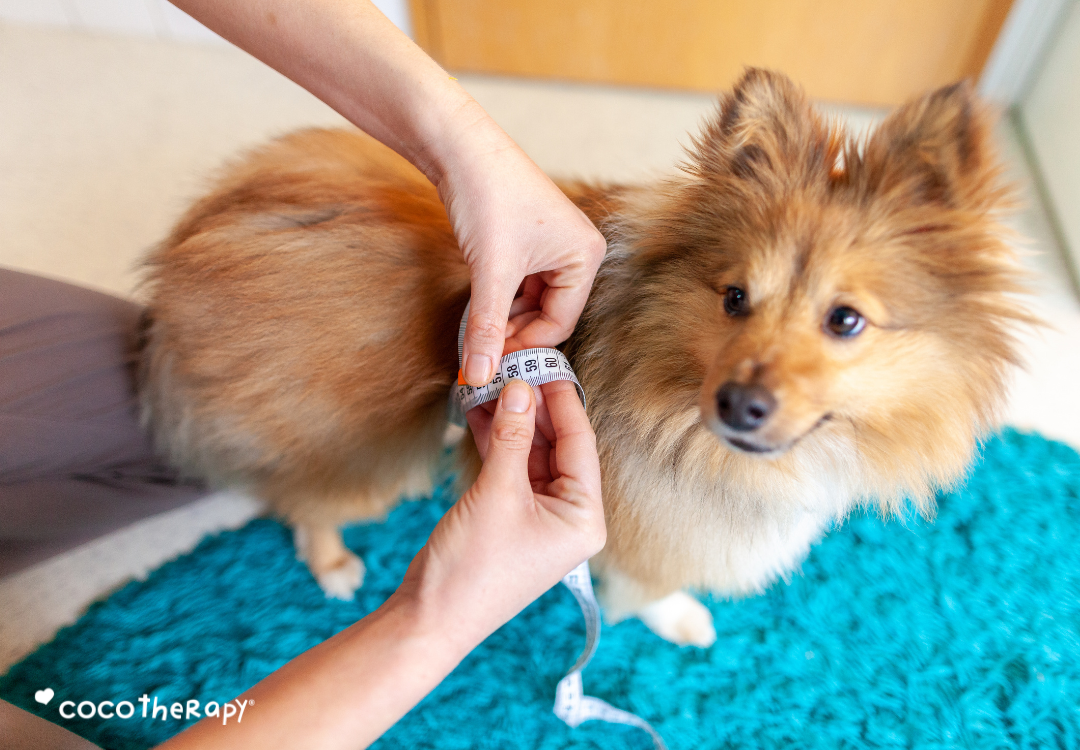
Grooming is a good opportunity to check the skin, ears, paws, teeth, and coat. Regularly looking at body condition can help you notice gradual weight gain or loss before it becomes obvious, while paying attention to how eagerly your pet walks, plays, climbs stairs, or jumps onto furniture can give you useful clues about how they’re feeling.
Regular veterinary care is another important part of the same picture. A holistic approach doesn’t mean choosing natural care instead of veterinary care. Routine exams, appropriate dental care, recommended testing, and parasite prevention when needed can all help prevent health problems or identify them before they become harder to manage.
Supportive nutrition and a thoughtful home routine work best when you know your furry family member well enough to notice when something feels a little different.
How Can You Make a Holistic Routine Easier to Stick With?
Looking at your pet’s whole routine can feel like a lot at first, but you don’t need to change everything at once. The best wellness plan is usually the one that fits naturally into everyday life. Here are a few quick tips to help you get started:
- Start with one change. Choose the area that could make the biggest difference for your pet right now and begin there. Making one change at a time also makes it easier to tell what’s actually helping.
- Keep things consistent. Regular meals, movement, rest, and daily routines can make life feel more predictable for your pet. Consistency also gives you a clearer baseline, so unusual changes are easier to notice.
- Watch your pet’s response. Pay attention to appetite, stool, energy, skin, coat, sleep, and behavior when you introduce something new. Those everyday clues can tell you whether a change is fitting comfortably into the routine.
- Choose products with a purpose. Every topper, treat, oil, or supplement should have a reason for being there. Simple ingredients and clear formulations make it much easier to understand what your pet is getting.
- Avoid doing too much. More exercise, more supplements, and more enrichment aren’t automatically better. Balance matters, and pets need enough downtime to rest and recover too.
- Keep your vet involved. Regular checkups help you understand what’s happening beyond what you can see at home. Veterinary guidance is especially useful before making bigger dietary or supplement changes for pets with existing health conditions.
What Does a More Holistic Wellness Routine Really Look Like?
A holistic routine doesn’t need to be complicated. It’s about paying attention to the whole pet and recognizing that food, digestion, movement, mental wellbeing, rest, metabolism, and preventive care all support one another.
National Holistic Pet Day is a good reason to check in, but you don’t need to wait until August 30 to make a change. Pick one area that could use a little more attention and start there.
Small choices have a way of adding up. When you build supportive habits around your pet’s individual needs, you’re creating a routine that can help your furry friend feel comfortable, engaged, and well cared for every day.